
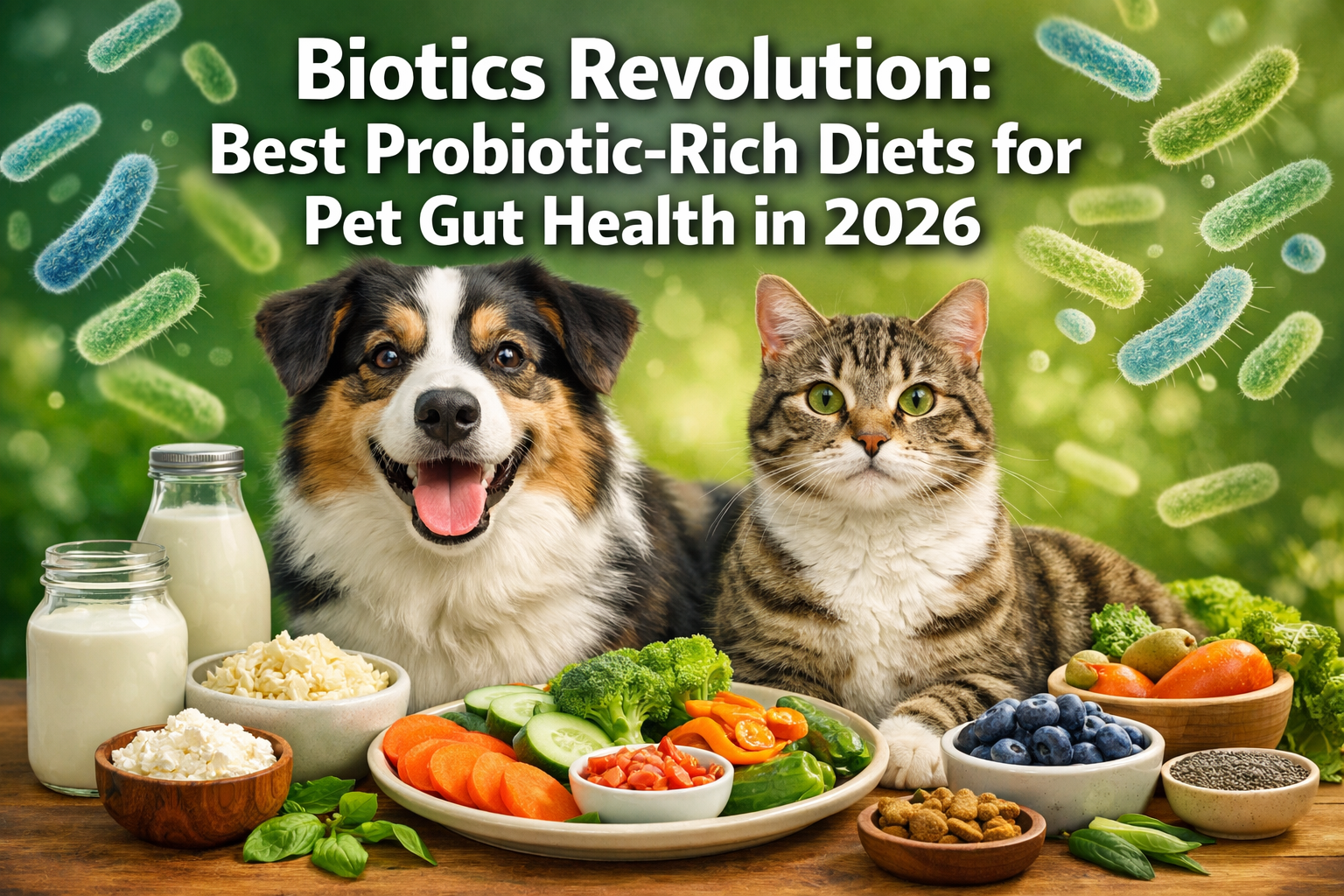
Pet owners in 2026 are witnessing a major shift in how they care for their furry friends’ digestive health. The Biotics Revolution: Best Probiotic Rich Diets for Pet Gut Health in 2026 is changing the game, with probiotic-rich foods becoming essential tools for fighting sensitive stomachs, boosting immunity, and keeping pets happy from the inside out. The global pet probiotic foods market is projected to reach US$3.09 billion by 2033, proving that this isn’t just a trend it’s a movement backed by science and real results.
This guide breaks down everything pet owners need to know about probiotic diets, from understanding how these beneficial bacteria work to choosing the best foods and creating homemade recipes that support optimal gut health.
Key Takeaways
- Probiotics transform pet digestive health by balancing gut bacteria, reducing diarrhea, and improving stool quality in dogs and cats with sensitive stomachs
- The pet probiotics market is booming, with supplements valued at USD 1.10 billion in 2025 and projected to reach USD 1.65 billion by 2030[3]
- Synbiotic blends (probiotics + prebiotics) show superior results compared to probiotic-only formulations, growing at 10.5% CAGR[3]
- Homemade probiotic-rich diets offer cost-effective alternatives to commercial options, using ingredients like plain yogurt, kefir, and fermented vegetables
- Digestive health solutions account for 45% of the pet probiotics market, with immune support emerging as the fastest-growing category at 9.8% CAGR[3]
Understanding the Biotics Revolution in Pet Nutrition
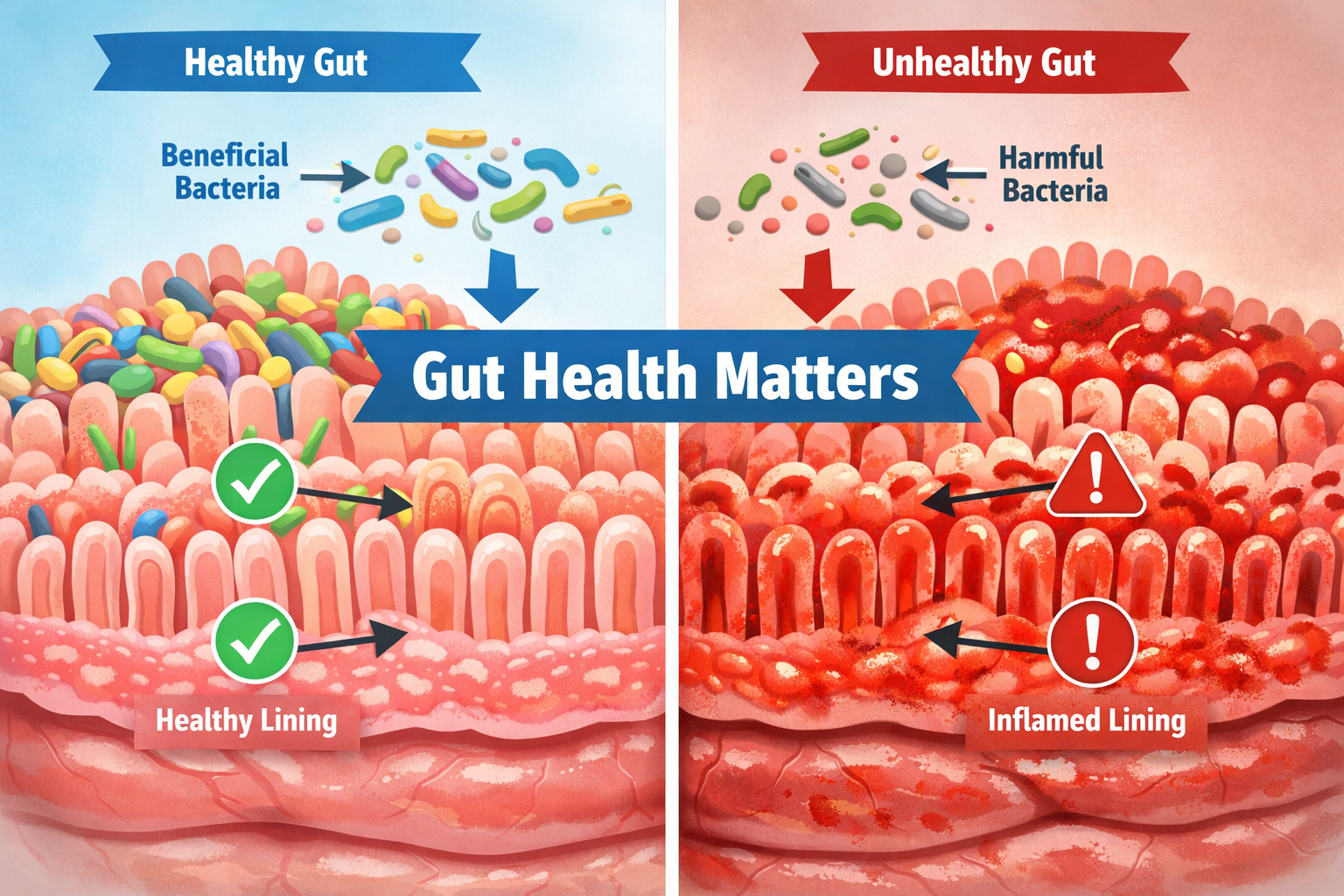
The term “biotics” covers three main categories that work together to support pet gut health: probiotics (beneficial live bacteria), prebiotics (food for good bacteria), and postbiotics (beneficial compounds produced by probiotics).
What Makes Probiotics Essential for Pets?
Probiotics are living microorganisms that provide health benefits when consumed in adequate amounts. For pets, these tiny helpers do several important jobs:
✅ Balance the gut microbiome by crowding out harmful bacteria
✅ Strengthen the intestinal barrier to prevent toxins from entering the bloodstream
✅ Produce vitamins like B12 and K that support overall health
✅ Regulate immune responses through gut-immune connections
✅ Improve nutrient absorption from food
Lactobacillus and Bifidobacterium strains represent approximately 70% of sales in the pet probiotics market, thanks to extensive research proving their safety and effectiveness[3]. These strains have earned regulatory acceptance and trust from veterinarians worldwide.
The Science Behind Gut Health and Immunity
Recent studies confirm what experts have suspected for years: the gut is the control center for pet immunity. About 70% of a pet’s immune system lives in their digestive tract, making gut health critical for fighting infections and managing inflammation.
When the gut microbiome falls out of balance—a condition called dysbiosis—pets experience:
- Chronic diarrhea or constipation
- Gas and bloating
- Food sensitivities
- Skin problems and itching
- Low energy levels
- Weakened immune defenses
The Biotics Revolution: Best Probiotic-Rich Diets for Pet Gut Health in 2026 addresses these issues head-on by restoring microbial balance through targeted nutrition.
Market Growth Reflects Real Results
The numbers tell a compelling story. The broader pet biotics market is valued at USD 847.21 million in 2025 and is predicted to reach USD 1,889.12 million by 2035 at 8.8% CAGR[4]. This explosive growth reflects pet owners seeing tangible improvements in their animals’ health.
Asia-Pacific shows the fastest growth rate at 10.3% CAGR to 2030, driven by rising pet ownership in China and premium spending habits among millennial and Gen Z pet owners[3]. These younger pet parents view their animals as family members and prioritize preventive health measures.
For more comprehensive information about optimal pet nutrition strategies, check out our complete guide to canine nutrition.
Top Probiotic-Rich Foods for Dogs and Cats in 2026
Choosing the right probiotic sources makes all the difference for pets with sensitive stomachs. Here’s a breakdown of the best options available in 2026, from commercial products to homemade solutions.
Commercial Probiotic Pet Foods
Chewables dominate with 42% market share due to owner preference for treat-like administration, with proprietary compression methods maintaining live bacterial survival above 90%[3]. These products make daily probiotic supplementation easy and enjoyable for pets.
Top commercial options include:
| Product Type | Benefits | Best For |
|---|---|---|
| Probiotic Kibble | Convenient, shelf-stable, complete nutrition | Daily feeding, all life stages |
| Freeze-Dried Raw with Probiotics | High protein, minimal processing | Dogs with grain sensitivities |
| Probiotic Chews | Easy administration, treat-like | Picky eaters, training rewards |
| Liquid Probiotics | Fast absorption, easy mixing | Cats, small dogs, seniors |
| Probiotic Powders | Versatile, customizable dosing | Multi-pet households |
Liquid probiotics are experiencing accelerated growth at 11.8% CAGR, gaining traction for cats and smaller dogs that reject tablets, with room-temperature stable emulsions removing cold-chain requirements[3].
Natural Probiotic-Rich Foods
Pet owners looking for whole-food options can incorporate these probiotic-rich ingredients into their pets’ diets:
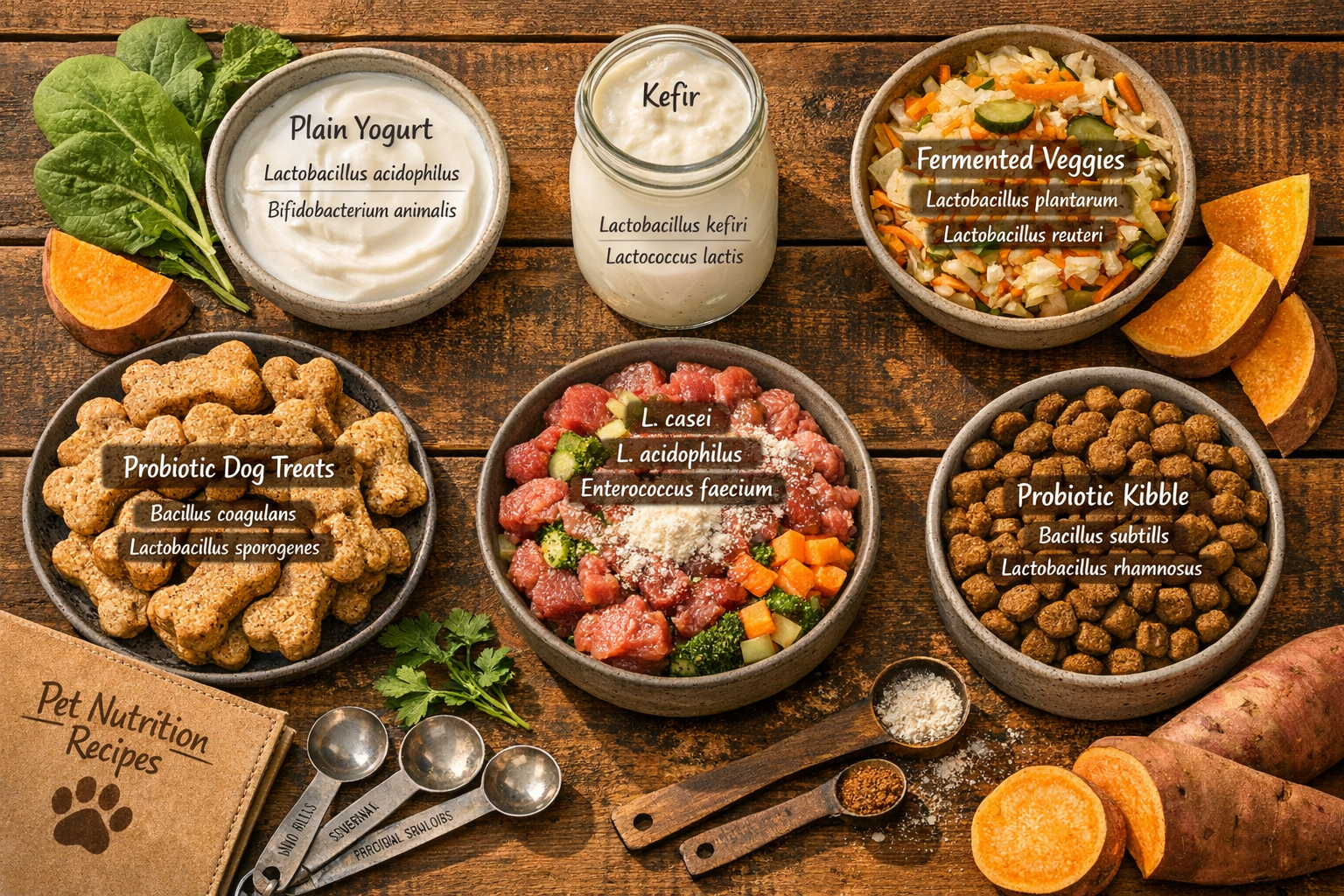
🥛 Plain Yogurt (unsweetened, no artificial sweeteners)
- Contains Lactobacillus acidophilus and Bifidobacterium
- Start with 1 teaspoon per 10 pounds of body weight
- Choose full-fat varieties for better palatability
🥛 Kefir (plain, unflavored)
- More diverse probiotic strains than yogurt
- Thinner consistency makes it easier to mix with food
- Use 1-2 teaspoons for small dogs, up to 2 tablespoons for large breeds
🥬 Fermented Vegetables
- Sauerkraut and kimchi (low-sodium, no garlic or onions)
- Provide probiotics plus digestive enzymes
- Offer 1-3 teaspoons depending on pet size
🥕 Fermented Goat’s Milk
- Easier to digest than cow’s milk
- Rich in probiotics and nutrients
- Available as commercial pet products
⚠️ Important Safety Note: Never give pets yogurt or other products containing xylitol, an artificial sweetener that’s toxic to dogs and cats.
For dogs with specific dietary needs, our hypoallergenic diet guide offers additional recommendations.
Synbiotic Formulations: The Gold Standard
Synbiotic blends (combining prebiotics with probiotics) are the fastest-growing segment at 10.5% CAGR, as clinical studies demonstrate superior microbiome diversity and improved outcomes compared to probiotic-only formulations[3].
Prebiotics are non-digestible fibers that feed beneficial bacteria. Common prebiotic ingredients include:
- Chicory root
- Pumpkin
- Sweet potato
- Oats
- Flaxseed
- Inulin
When combined with probiotics, prebiotics create an ideal environment for beneficial bacteria to thrive and multiply in the gut.
Emerging Probiotic Strains
Saccharomyces boulardii (yeast-based formulations) are gaining market share due to antibiotic resilience, supporting concurrent antibiotic therapy[3]. This probiotic yeast survives stomach acid better than bacterial strains and helps prevent antibiotic-associated diarrhea.
Multi-strain probiotics and postbiotics are emerging as differentiation strategies across the market[2]. Products containing 5-10 different bacterial strains offer broader benefits than single-strain formulations.
Explore our collection of best dog recipes to find meals that naturally support digestive health.
Homemade Probiotic-Rich Recipes for Sensitive Stomachs
Creating homemade probiotic meals gives pet owners complete control over ingredients while saving money. These recipes specifically target digestive issues common in pets with sensitive stomachs.
Simple Probiotic Chicken and Rice Bowl
Ingredients:
- 1 pound boneless, skinless chicken breast
- 1 cup white rice (cooked)
- ½ cup plain yogurt (with live active cultures)
- ¼ cup cooked pumpkin (not pie filling)
- 1 tablespoon ground flaxseed
- 1 teaspoon fish oil (optional)
Instructions:
- Cook the chicken by boiling in water until fully cooked (internal temperature 165°F)
- Shred or dice the chicken into bite-sized pieces
- Mix rice and chicken in a large bowl
- Let cool completely before adding yogurt (heat kills beneficial bacteria)
- Stir in yogurt, pumpkin, and flaxseed until well combined
- Serve at room temperature, storing leftovers in the refrigerator for up to 3 days
Serving size: Feed approximately 2-3% of your dog’s body weight daily, split into two meals.
This recipe provides easily digestible protein, soluble fiber from pumpkin (a natural prebiotic), and billions of beneficial bacteria from yogurt.
Kefir and Sweet Potato Digestive Support Recipe
Ingredients:
- 2 medium sweet potatoes (baked and mashed)
- ½ cup plain kefir
- 1 pound ground turkey (cooked)
- 2 tablespoons coconut oil
- 1 cup cooked oatmeal
- ¼ cup finely chopped parsley
Instructions:
- Bake sweet potatoes at 400°F for 45 minutes until soft
- Cook ground turkey thoroughly in a pan, draining excess fat
- Prepare oatmeal according to package directions, using water
- Combine all ingredients in a large mixing bowl
- Allow to cool before adding kefir
- Mix thoroughly and portion into meal-sized containers
Probiotic boost: The kefir in this recipe contains up to 61 different strains of bacteria and yeasts, making it more diverse than standard yogurt.
For pets who need additional protein variety, try our raw rabbit meat recipe.
Fermented Vegetable Dog Treats
Ingredients:
- 1 cup sauerkraut (low-sodium, drained)
- 2 cups whole wheat flour (or oat flour for grain-sensitive dogs)
- 1 egg
- ¼ cup plain yogurt
- 2 tablespoons olive oil
Instructions:
- Preheat oven to 350°F
- Chop sauerkraut finely
- Mix all ingredients in a bowl until dough forms
- Roll out dough to ¼-inch thickness
- Cut into shapes using cookie cutters
- Bake for 20-25 minutes until golden and firm
- Cool completely before serving
Storage: Keep in an airtight container in the refrigerator for up to 2 weeks.
These treats provide a crunchy probiotic snack that supports digestive health between meals. Find more treat ideas in our treats section.
Raw Food Diet with Probiotic Enhancement
For pet owners following a raw feeding approach, adding probiotics enhances the natural benefits. Our raw dog food diet recipes provide excellent foundations that can be supplemented with:
- Probiotic powder sprinkled on top (follow product dosing)
- Fermented goat’s milk mixed in (1-2 tablespoons)
- Raw sauerkraut juice (1 teaspoon per 20 pounds)
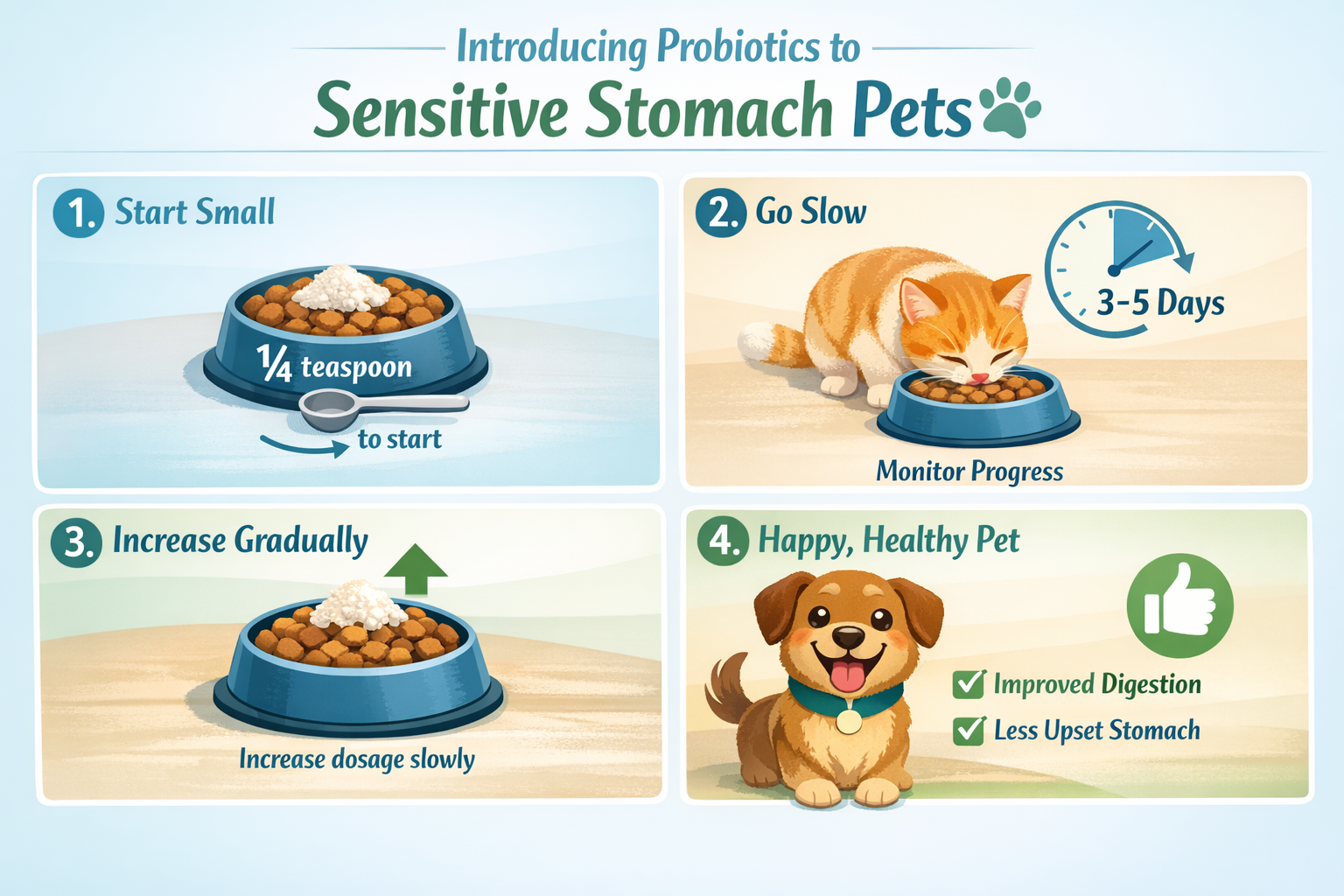
Important: Introduce probiotics gradually to avoid digestive upset. Start with ¼ of the recommended dose and increase over 7-10 days.
Meal Prep Tips for Success
✅ Batch cook and freeze portions in individual servings
✅ Label containers with preparation date and contents
✅ Thaw overnight in the refrigerator, never in the microwave
✅ Add probiotics after reheating (if warming food)
✅ Monitor stool quality as an indicator of digestive response
Addressing Common Digestive Issues with Probiotics
Digestive health solutions account for roughly 45% of the pet probiotics market share, addressing stool quality, gas reduction, and diarrhea mitigation[3]. Here’s how to use probiotic-rich diets to tackle specific problems.
Chronic Diarrhea and Loose Stools
Chronic diarrhea frustrates pet owners and compromises their animals’ quality of life. Probiotics help by:
- Restoring beneficial bacteria killed by antibiotics
- Reducing inflammation in the intestinal lining
- Improving water absorption in the colon
- Competing with pathogenic bacteria for resources
Step-by-step approach:
- Start with a bland diet (boiled chicken and rice) for 24-48 hours
- Add plain yogurt (1 teaspoon per 10 pounds) to each meal
- Gradually reintroduce regular food over 5-7 days
- Continue probiotics daily for at least 2-4 weeks
- Consult a veterinarian if diarrhea persists beyond 3 days
For pets experiencing digestive issues, understanding how long dogs take to digest food provides helpful context.
Gas and Bloating
Excessive gas often signals an imbalanced gut microbiome or food intolerance. Probiotic-rich diets reduce gas by:
- Breaking down complex carbohydrates more efficiently
- Reducing fermentation by harmful bacteria
- Improving overall digestive enzyme production
Best probiotic strains for gas:
- Lactobacillus acidophilus
- Bifidobacterium lactis
- Lactobacillus plantarum
Combine probiotics with easily digestible foods and avoid common gas-producing ingredients like beans, broccoli, and dairy (except fermented dairy).
Food Sensitivities and Allergies
While probiotics don’t cure food allergies, they strengthen the gut barrier and reduce inflammatory responses. Immune support is the fastest-growing functional category at 9.8% CAGR, as research confirms gut-immune connections that reduce respiratory infections and moderate stress-related cortisol levels[3].
Protocol for sensitive pets:
- Eliminate suspected allergens for 8-12 weeks
- Introduce probiotics to rebuild gut integrity
- Add one new food at a time, monitoring for reactions
- Continue probiotics long-term to maintain gut health
Our hypoallergenic diet guide offers detailed meal plans for allergic pets.
Antibiotic-Associated Digestive Upset
Antibiotics save lives but destroy beneficial gut bacteria along with harmful pathogens. Saccharomyces boulardii excels during antibiotic treatment because it’s a yeast, not a bacteria, so antibiotics don’t kill it[3].
Best practices:
- Start probiotics on day one of antibiotic therapy
- Give probiotics 2-3 hours away from antibiotic doses
- Continue probiotics for 2-4 weeks after antibiotics end
- Use high-CFU (colony-forming units) products (10+ billion CFUs)
Inflammatory Bowel Disease (IBD) Support
While IBD requires veterinary management, probiotic-rich diets provide supportive care by reducing intestinal inflammation and improving nutrient absorption.
Helpful additions:
- Bone broth (rich in collagen and glutamine)
- Slippery elm powder (soothes intestinal lining)
- Omega-3 fatty acids (anti-inflammatory)
- Limited ingredient diets to reduce triggers
Check our main meals section for simple, gut-friendly recipes.
Choosing the Right Probiotic Products in 2026
With countless options flooding the market, selecting quality probiotic products requires authority-driven insights and smart recommendations.
Key Quality Indicators
Look for these features:
🔍 CFU Count: Minimum 1 billion CFUs per serving for small pets, 5-10 billion for larger dogs
🔍 Strain Identification: Products should list specific strains (not just “Lactobacillus species”)
🔍 Expiration Date: Live bacteria have limited shelf life; check dates carefully
🔍 Storage Requirements: Some require refrigeration to maintain potency
🔍 Third-Party Testing: Independent verification ensures label accuracy
🔍 Veterinary Formulation: Products designed specifically for pets, not human supplements
Form Factors: Which Works Best?
Different delivery methods suit different pets and situations:
Chewables/Treats:
- Easiest administration for most dogs
- High compliance rates
- Maintain 90%+ bacterial survival with quality products[3]
- Best for: Daily supplementation, training rewards
Powders:
- Versatile mixing with any food
- Customizable dosing
- Often more economical
- Best for: Multi-pet households, picky eaters
Capsules:
- Precise dosing
- Longer shelf life
- Can be opened and mixed with food
- Best for: Cats, small dogs, rotating strains
Liquids:
- Fast absorption
- Growing at 11.8% CAGR[3]
- Room-temperature stable options available
- Best for: Cats, seniors, pets with swallowing difficulties
Reading Labels Like a Pro
Red flags to avoid:
- Vague ingredient lists (“proprietary blend”)
- No CFU count listed
- Expired or near-expiration products
- Added sugars or artificial sweeteners
- Unrealistic health claims
Green flags to seek:
- Multiple named strains
- Prebiotic ingredients included
- GMP (Good Manufacturing Practices) certification
- Clear dosing instructions
- Veterinary endorsement
Cost-Effectiveness Analysis
Commercial products typically cost:
- Chewables: $0.50-$2.00 per day
- Powders: $0.30-$1.00 per day
- Capsules: $0.40-$1.50 per day
Homemade probiotic additions:
- Plain yogurt: $0.10-$0.25 per serving
- Kefir: $0.15-$0.30 per serving
- Fermented vegetables: $0.05-$0.15 per serving
For budget-conscious pet owners, combining homemade probiotic-rich foods with occasional commercial supplements offers the best value.
Breed-Specific Considerations
Some breeds have unique digestive needs that benefit from targeted probiotic approaches. Our breed-specific diets guide provides detailed recommendations.
Examples:
- German Shepherds: Prone to EPI (exocrine pancreatic insufficiency); benefit from digestive enzyme + probiotic combinations
- Bulldogs: Sensitive stomachs require gentle introduction of probiotics
- Small breeds: Need smaller doses and softer chewables
Implementation Guide: Starting Your Pet’s Probiotic Journey
Transitioning to probiotic-rich diets requires a systematic approach to avoid digestive upset and maximize benefits.
Week-by-Week Introduction Plan
Week 1: Assessment and Baseline
- Document current stool quality, energy levels, and any digestive symptoms
- Choose probiotic source (commercial or homemade)
- Start with ¼ recommended dose once daily
Week 2: Gradual Increase
- Increase to ½ recommended dose if no adverse reactions
- Monitor stool consistency (should firm up slightly)
- Continue regular diet alongside probiotics
Week 3: Full Dose
- Reach full recommended dose
- Begin incorporating probiotic-rich foods if using supplements
- Note any improvements in digestion, energy, or coat quality
Week 4+: Maintenance
- Continue daily probiotics
- Rotate strains every 2-3 months for diversity
- Adjust dose based on response
Monitoring Progress
Positive signs:
✅ Firmer, more consistent stools
✅ Reduced gas and bloating
✅ Improved appetite
✅ Shinier coat
✅ Increased energy
✅ Better breath
Warning signs requiring veterinary attention:
⚠️ Worsening diarrhea
⚠️ Vomiting
⚠️ Loss of appetite
⚠️ Lethargy
⚠️ Blood in stool
Combining with Existing Diets
Probiotics work with virtually any feeding approach:
Kibble-based diets:
- Sprinkle powder on top
- Mix liquid probiotics with water
- Offer probiotic chews as treats
Raw diets:
- Add fermented vegetables
- Include probiotic powder in ground meat
- Offer kefir as a meal topper
Homemade cooked diets:
- Stir in yogurt after cooling
- Add sauerkraut juice to meals
- Use probiotic-rich ingredients in recipes
For pets eating commercial foods, learn about what chicken meal is in dog food to better understand base ingredients.
Special Situations
Puppies and Kittens:
- Start probiotics after weaning (6-8 weeks old)
- Use ½ adult dose based on weight
- Support developing immune systems
Senior Pets:
- Especially beneficial as gut function declines with age
- May need higher doses for therapeutic effect
- Combine with joint support supplements
Post-Surgery Recovery:
- Begin probiotics immediately after anesthesia
- Helps restore gut motility
- Supports immune function during healing
Stress Management:
- Increase probiotics before known stressors (boarding, travel, vet visits)
- Helps moderate cortisol response
- Reduces stress-related digestive upset
Long-Term Maintenance Strategies
Probiotic supplementation works best as a long-term commitment, not a quick fix. Consider these approaches:
Daily Protocol:
- Consistent probiotic supplementation
- Probiotic-rich foods 3-4 times weekly
- Prebiotic fiber sources daily
Rotating Protocol:
- Switch between different probiotic strains every 8-12 weeks
- Maintains microbiome diversity
- Prevents bacterial adaptation
Seasonal Adjustments:
- Increase during stress periods (holidays, moving)
- Boost during antibiotic treatment
- Maintain baseline dose during stable periods
The Future of Pet Gut Health: Trends Beyond 2026
The Biotics Revolution: Best Probiotic-Rich Diets for Pet Gut Health in 2026 represents just the beginning of a larger movement toward microbiome-focused pet care.
Emerging Technologies
Personalized Probiotic Formulations: Companies are developing at-home microbiome testing kits that analyze pet stool samples and recommend customized probiotic blends based on individual bacterial profiles.
Postbiotic Products: These next-generation supplements contain beneficial compounds produced by probiotics (short-chain fatty acids, bacteriocins) without requiring live bacteria. They offer longer shelf life and easier storage.
Precision Fermentation: New manufacturing techniques create specific probiotic strains with enhanced survival rates and targeted health benefits.
Research Directions
Scientists are investigating:
- Probiotic treatments for behavioral issues linked to gut-brain axis
- Strain-specific solutions for chronic diseases
- Combination therapies pairing probiotics with medicinal mushrooms
- Microbiome’s role in weight management and metabolism
Market Predictions
The trajectory remains strong. With the pet biotics market predicted to reach USD 1,889.12 million by 2035[4], investment in research and product development will accelerate.
Key growth drivers:
- Increasing pet humanization trends
- Rising veterinary care costs driving preventive approaches
- Growing awareness of antibiotic resistance
- Expansion in emerging markets
Regulatory Developments
Expect stricter quality standards and labeling requirements as the market matures. This benefits consumers through improved product transparency and efficacy guarantees.
Conclusion: Taking Action for Your Pet’s Gut Health
The Biotics Revolution: Best Probiotic-Rich Diets for Pet Gut Health in 2026 offers pet owners powerful tools to combat sensitive stomachs, boost immunity, and improve overall quality of life for their furry companions. With the market reaching billions of dollars and research confirming remarkable benefits, now is the perfect time to integrate probiotics into your pet’s nutrition plan.
Actionable Next Steps
Start today:
- Assess your pet’s current digestive health using the monitoring guidelines above
- Choose one probiotic source that fits your budget and pet’s preferences
- Begin with a small dose and gradually increase over 2-3 weeks
- Track improvements in stool quality, energy, and overall wellness
- Consult your veterinarian about integrating probiotics with any existing treatments
For homemade diet enthusiasts:
- Try the Simple Probiotic Chicken and Rice Bowl this week
- Stock your pantry with plain yogurt and kefir
- Experiment with fermented vegetables in small amounts
For commercial product users:
- Research quality brands with third-party testing
- Compare CFU counts and strain diversity
- Read reviews from other pet owners with similar concerns
The evidence is clear: probiotics work. The global market growth, clinical research, and millions of pet owners reporting positive results all point to the same conclusion. Whether through carefully crafted homemade meals or quality commercial products, probiotic-rich diets represent one of the most effective, science-backed approaches to pet gut health available in 2026.
Your pet’s digestive system is the foundation of their overall health. By embracing the biotics revolution, you’re investing in their comfort, longevity, and happiness for years to come.
References
[1] Report Pet Probiotic Foods Market To Reach Us3b By 2033 – https://www.petfoodindustry.com/nutrition/pet-food-additives-supplements/news/15752875/report-pet-probiotic-foods-market-to-reach-us3b-by-2033
[2] Pet Probiotics 1354576 – https://www.datainsightsmarket.com/reports/pet-probiotics-1354576
[3] Pet Probiotics Supplements Market – https://www.mordorintelligence.com/industry-reports/pet-probiotics-supplements-market
[4] insightaceanalytic – https://www.insightaceanalytic.com/report/pet-biotics-market/3394
