
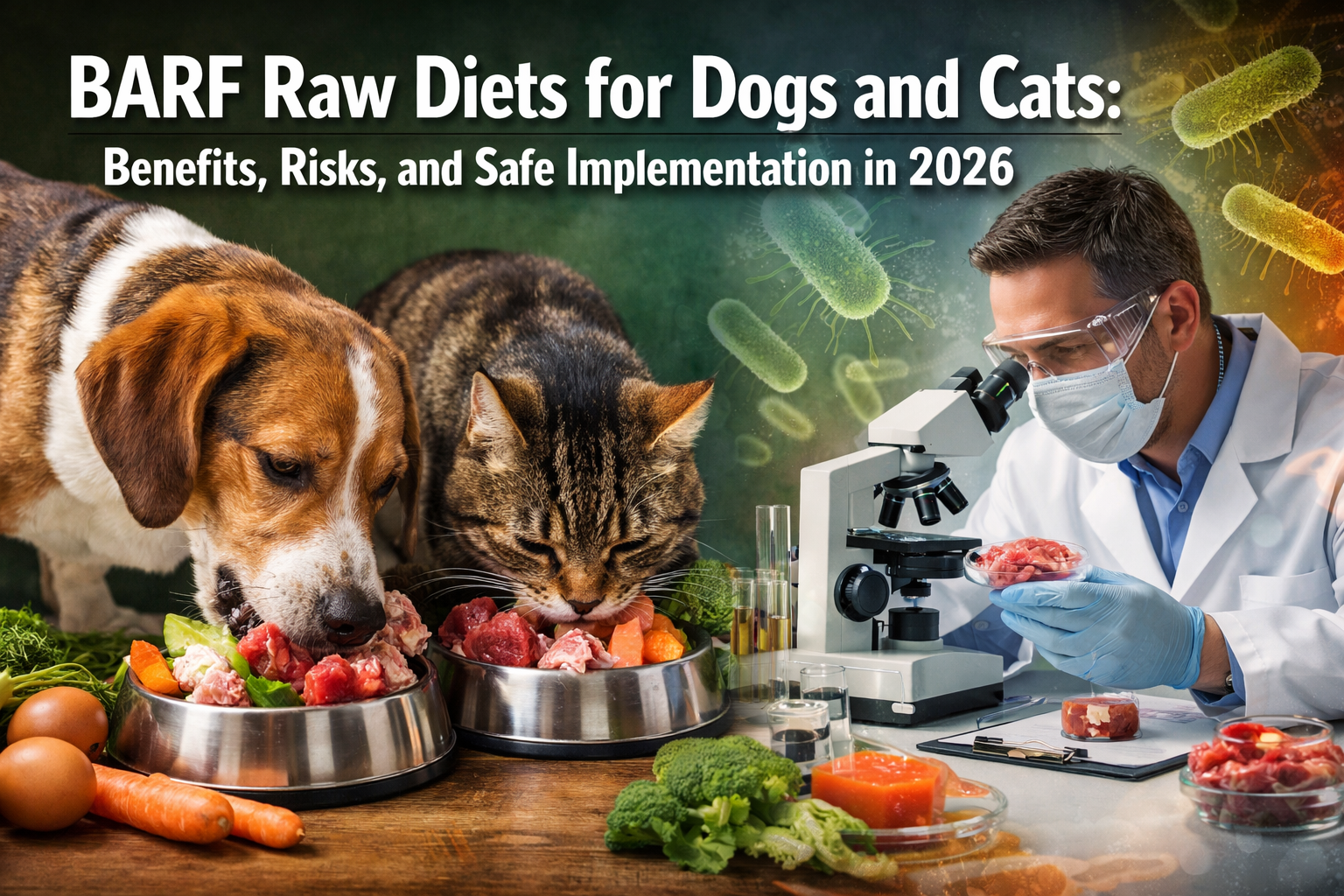
The pet food world is seeing a major shift as more owners turn to Biologically Appropriate Raw Food (BARF) diets, trying to mimic what dogs and cats would eat in the wild. BARF Raw Diets for Dogs and Cats: Benefits, Risks, and Safe Implementation in 2026 has become a hot topic among pet owners looking for alternatives to commercial kibble. This feeding approach centers on raw meat, bones, organs, and vegetables—foods that supporters believe match pets’ ancestral eating patterns. But while the concept sounds natural and appealing, veterinary organizations like the AVMA and FDA have raised serious concerns about bacterial contamination and nutritional balance.[3][2]
This guide breaks down everything you need to know about raw feeding, from the claimed health benefits to the real safety risks that every pet owner must understand before making the switch.
Key Takeaways
- BARF diets consist of raw meat, bones, organs, and vegetables designed to mimic ancestral eating patterns, but major veterinary organizations discourage them due to bacterial risks
- Raw pet food shows higher contamination rates with dangerous bacteria like Salmonella, E. coli, and Listeria compared to commercial options
- No peer-reviewed scientific evidence proves raw diets are superior to quality commercial foods, despite anecdotal claims about coat quality and energy
- Vulnerable household members face serious health risks from raw pet food handling and pet contact after feeding
- Proper implementation requires veterinary guidance, strict hygiene protocols, and careful nutritional balancing to avoid deficiencies
What is the BARF Diet for Dogs and Cats?
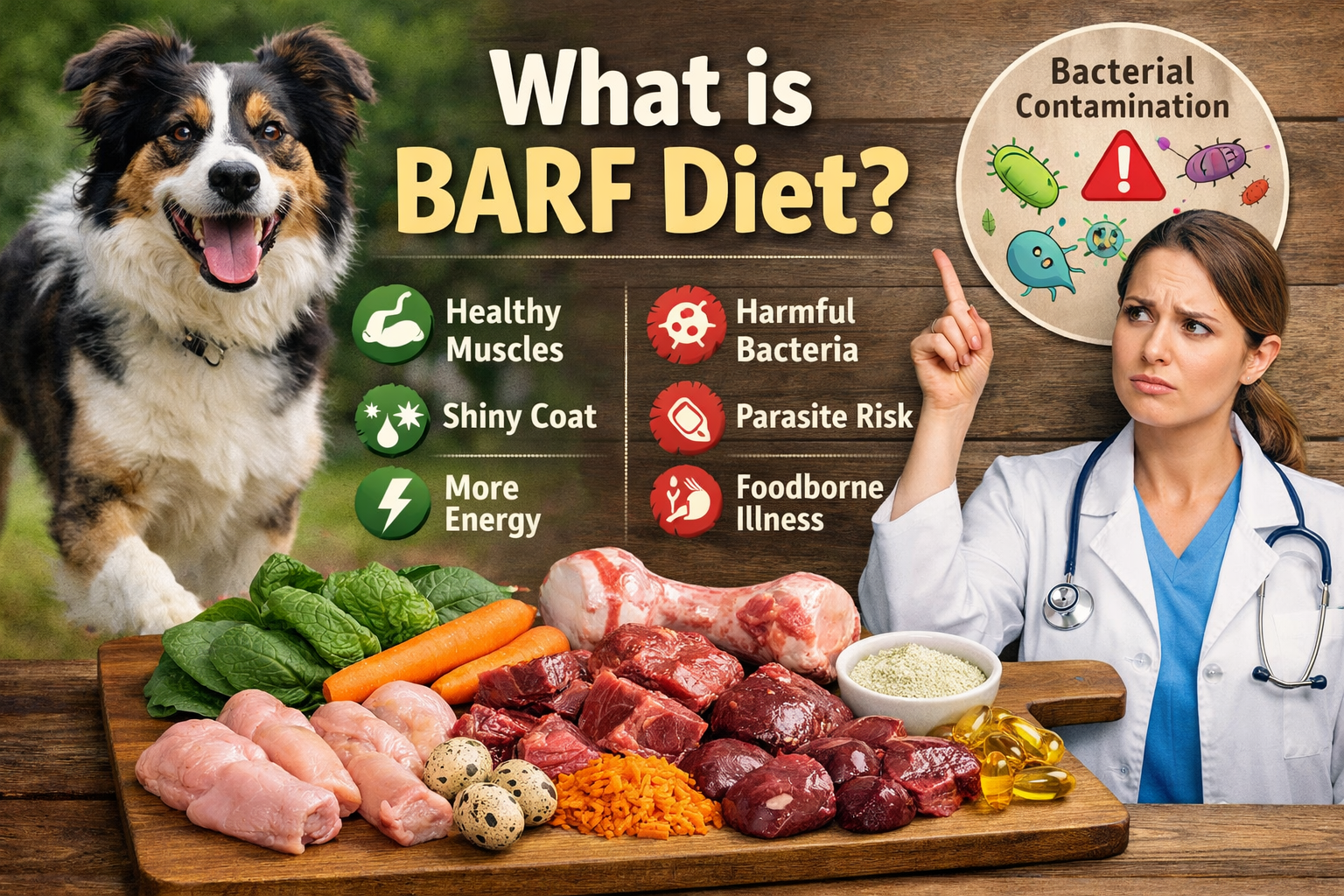
The BARF diet stands for Biologically Appropriate Raw Food (sometimes called Bones and Raw Food). This feeding philosophy argues that dogs and cats should eat what their wild ancestors consumed before domestication—primarily raw meat, edible bones, organs, and small amounts of plant material.
Core Components of BARF Diets
A typical BARF meal includes:
- Raw muscle meat (chicken, beef, lamb, turkey)
- Raw meaty bones (chicken necks, wings, beef ribs)
- Organ meats (liver, kidney, heart—about 10-15% of the diet)
- Vegetables and fruits (pureed or finely chopped)
- Supplements (fish oil, kelp, probiotics)
- Eggs (raw or lightly cooked)
The diet tries to replicate the nutritional profile of whole prey animals. Supporters believe this approach provides optimal nutrition because it matches what canine and feline digestive systems evolved to process.
The Philosophy Behind Raw Feeding
BARF advocates claim that commercial pet foods contain too many processed ingredients, grains, and artificial additives. They argue that cooking destroys natural enzymes and nutrients that pets need for peak health. The raw feeding movement gained momentum through online communities sharing success stories about improved health markers.
However, this philosophy conflicts sharply with mainstream veterinary science. Organizations like the American Veterinary Medical Association actively discourage feeding raw or undercooked animal-sourced protein to dogs and cats due to documented health risks.[3]
Understanding the Benefits and Risks of BARF Raw Diets for Dogs and Cats in 2026
The debate around raw feeding centers on weighing potential benefits against proven risks. Let’s examine both sides with authority-driven insights based on current research.
Claimed Benefits (With Limited Scientific Support)
Raw diet supporters report several improvements in their pets:
🐕 Shinier Coats and Healthier Skin
Many owners notice improved coat condition after switching to raw food. This likely comes from higher levels of omega-3 and omega-6 fatty acids found in raw meat and fish.[1] These essential fats support skin health and coat shine—but you can also get these benefits from quality commercial foods or supplements.
💪 Increased Energy Levels
Some pet owners report their animals seem more energetic on raw diets. Proponents attribute this to better digestion and nutrient absorption. However, no peer-reviewed scientific studies confirm raw diets provide superior energy compared to high-quality commercial options.[5]
🦴 Cleaner Teeth
Chewing raw meaty bones may help remove plaque and tartar buildup. The mechanical action of gnawing can scrape teeth surfaces. Still, bones also carry risks of tooth fractures and intestinal blockages.
💩 Smaller, Firmer Stools
Raw-fed pets often produce smaller stools because they absorb more nutrients and consume less indigestible filler. This is a real observation, though not necessarily a health advantage.
The Critical Problem: Lack of Scientific Evidence
Here’s the truth that raw feeding advocates often overlook: Beyond anecdotal testimonials, there is no peer-reviewed scientific evidence that raw diets are superior to commercial canned or dry diets.[5] The claimed benefits rely on owner reports rather than controlled studies.
Documented Risks (With Strong Scientific Support)
The risks of raw feeding have much stronger scientific backing than the benefits.
🦠 Bacterial Contamination
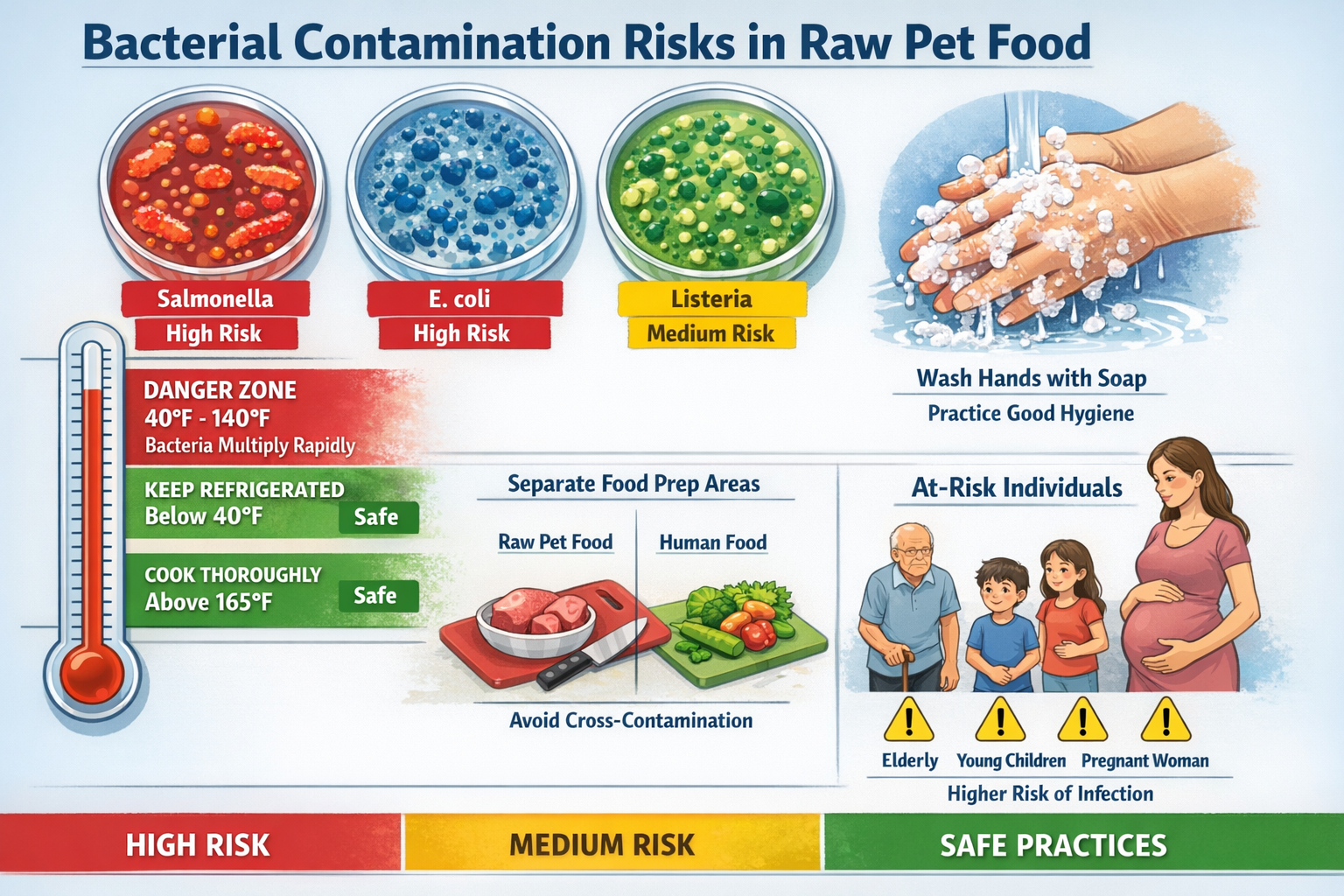
This is the biggest concern. FDA research found that raw pet food was more likely to be contaminated with disease-causing bacteria compared to other pet food types tested, including dry kibble and semi-moist formulations.[2]
Common pathogens found in raw pet food include:
- Salmonella
- E. coli
- Listeria monocytogenes
- Campylobacter
- Clostridium
- Enterotoxigenic Staphylococcus aureus[3]
These bacteria can make both pets and humans seriously ill. Even healthy-looking dogs and cats can carry these pathogens without showing symptoms, then spread them through their saliva, feces, and food bowls.
👨👩👧👦 Risk to Vulnerable Household Members
Apparently healthy dogs and cats can develop subclinical infections and pose transmission risks to:
- Young children
- Elderly family members
- Pregnant women
- Immunocompromised individuals[3]
People handling raw pet food face increased infection risk and must follow strict hygiene protocols, including avoiding face contact with pets after raw feeding and thorough hand washing.[2]
⚖️ Nutritional Imbalance
Improperly formulated raw diets can lead to harmful deficiencies or excesses of fats, proteins, vitamins, and minerals.[1] Creating a nutritionally complete raw diet requires extensive knowledge of animal nutrition—something most pet owners lack.
Common nutritional problems in homemade raw diets include:
- Calcium-phosphorus imbalances (leading to bone problems)
- Vitamin deficiencies (particularly vitamin E and thiamine)
- Excessive vitamin A (from too much liver)
- Inadequate taurine (critical for cats)
For guidance on creating balanced homemade meals, check out our comprehensive guide to raw dog food diet recipes.
💰 Cost and Time Investment
Raw diets are typically significantly more expensive and time-consuming than commercial pet foods.[1] You’ll spend more on ingredients, storage, and preparation time compared to simply opening a bag of kibble.
Debunking Common Raw Feeding Myths
Myth: Dogs and cats have acidic stomachs that kill bacteria
This claim is scientifically unsupported. While raw food advocates claim dogs and cats have more acidic stomachs and shorter GI tracts protecting them from pathogens, their gastric pH and GI tract morphology are comparable to humans, and all three species show similar clinical signs from pathogenic contamination.[5]
Myth: Wild ancestors never got sick from raw food
Wild animals actually do get sick and die from foodborne illnesses—we just don’t see it happening. Domesticated pets also live much longer than wild animals, making long-term health more important than short-term survival.
Safe Implementation of BARF Raw Diets for Dogs and Cats in 2026
If you decide to feed raw despite the risks, following strict safety protocols is absolutely essential. Here’s a step-by-step breakdown for minimizing dangers.
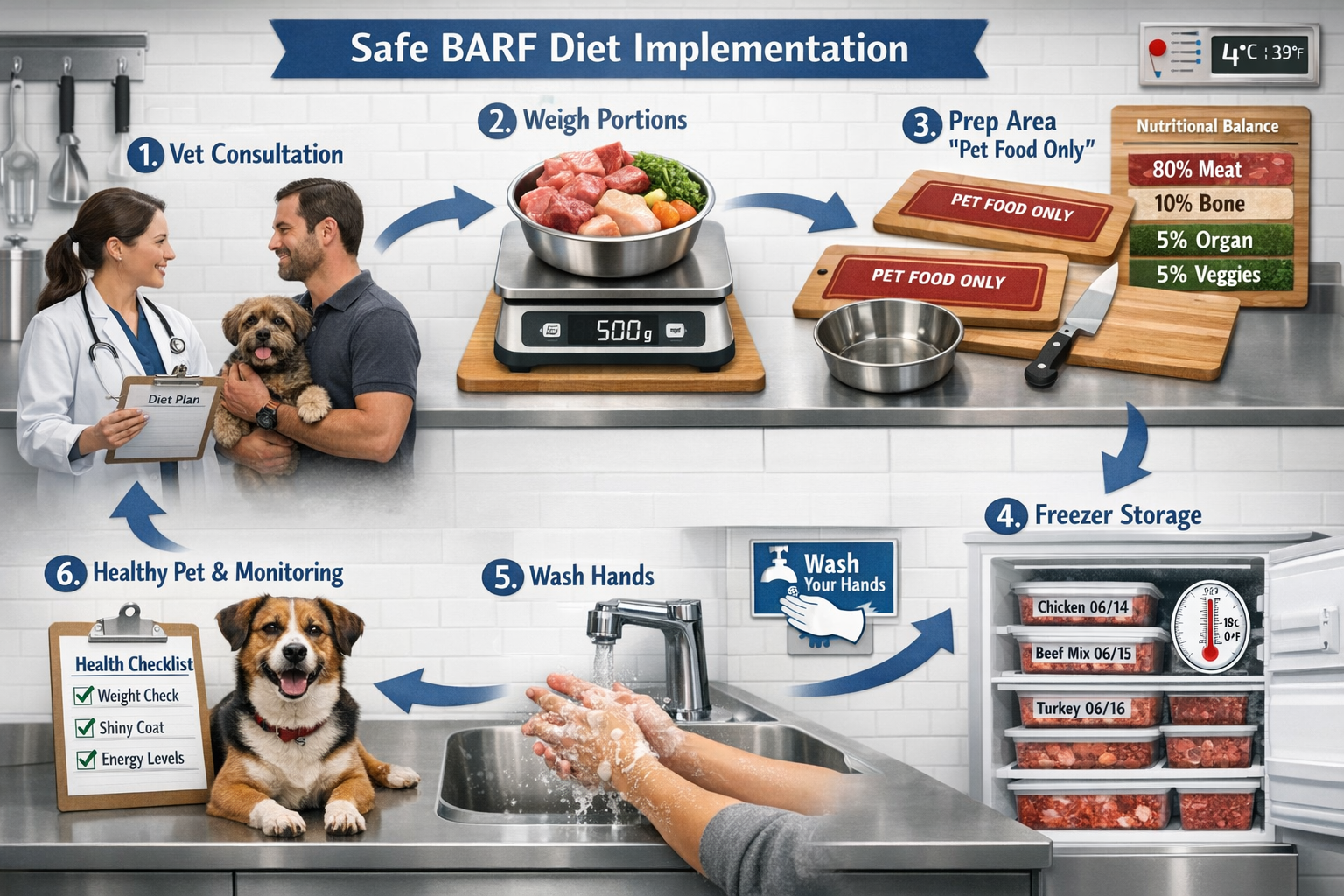
Before You Start: Veterinary Consultation
Never start a raw diet without professional guidance. Schedule a consultation with your veterinarian to:
- Assess your pet’s individual health needs
- Check for conditions that make raw feeding especially risky
- Get recommendations for proper nutritional balance
- Establish a monitoring schedule
Some pets should never eat raw diets, including:
- Puppies and kittens (developing immune systems)
- Senior pets with compromised immunity
- Animals undergoing chemotherapy or immunosuppressive treatments
- Pets living with vulnerable humans
For pets with special dietary needs, explore our hypoallergenic diet guide for safer alternatives.
Sourcing Safe Ingredients
Quality matters tremendously when feeding raw. Follow these guidelines:
✅ Buy human-grade meat from reputable suppliers ✅ Freeze meat for at least 3 weeks to reduce parasite risk (though this doesn’t kill bacteria) ✅ Source from inspected facilities that follow food safety standards ✅ Avoid wild game unless you’re certain it’s parasite-free ✅ Purchase commercial raw products from companies following safety protocols
Some pet owners prefer commercially prepared raw foods that undergo high-pressure processing (HPP) to reduce bacterial loads while maintaining raw nutrition.
Food Safety and Handling Protocols
The British Veterinary Association’s July 2025 guidance emphasizes that pathogenic bacteria are not eliminated through raw feeding, and improper handling, storage, and temperature control significantly increase safety risks.[4]
Critical safety steps:
🧊 Storage
- Keep raw food frozen until ready to use
- Thaw in the refrigerator, never on the counter
- Use thawed food within 24-48 hours
- Store at 40°F (4°C) or below
🍽️ Preparation
- Use dedicated cutting boards and bowls for pet food only
- Wash all surfaces with hot, soapy water after contact
- Disinfect preparation areas with diluted bleach solution
- Never prepare raw pet food on surfaces used for human food
🧤 Personal Hygiene
- Wash hands thoroughly with soap and warm water after handling
- Wear disposable gloves during preparation
- Keep raw food away from children’s reach
- Avoid kissing pets or letting them lick your face after raw meals
🗑️ Cleanup
- Remove uneaten food within 30 minutes
- Wash pet bowls with hot, soapy water daily
- Disinfect feeding area regularly
- Pick up feces immediately (higher bacterial shedding)
For more information on safe food handling practices, visit our nutrition guides section.
Creating Nutritionally Balanced Meals
A complete BARF diet requires careful planning. Here’s a basic framework:
General BARF Ratio for Dogs:
- 70% muscle meat
- 10% edible bone
- 10% organ meat (half should be liver)
- 7% vegetables
- 3% seeds/nuts or supplements
General BARF Ratio for Cats:
- 80-85% muscle meat
- 10% edible bone
- 5-10% organ meat
- Minimal to no vegetables (cats are obligate carnivores)
- Taurine supplementation (critical!)
These are starting points only. Individual needs vary based on age, activity level, health status, and breed. Consider consulting with a veterinary nutritionist to create a customized meal plan.
Our raw rabbit meat recipe provides a practical example of balanced raw meal preparation.
Monitoring Your Pet’s Health
Once you start raw feeding, watch closely for problems:
Positive signs:
- Maintained healthy weight
- Normal energy levels
- Healthy coat and skin
- Normal stool consistency
- Good appetite
Warning signs requiring immediate vet attention:
- Vomiting or diarrhea
- Weight loss or gain
- Lethargy or weakness
- Changes in stool (especially bloody stools)
- Dental fractures from bones
- Choking or gagging
Schedule regular veterinary check-ups including:
- Complete blood counts
- Biochemistry panels
- Fecal examinations for parasites
- Body condition assessments
Alternatives to Full Raw Feeding
You don’t have to choose between 100% raw or 100% commercial. Consider these middle-ground options:
Partially Raw Diet Mix commercial food with some raw components. For example, feed quality kibble as the base and add raw meaty bones as occasional treats.
Gently Cooked Diets Lightly cooking meat kills most pathogens while preserving more nutrients than heavy processing. This reduces bacterial risks while maintaining some raw feeding benefits.
High-Quality Commercial Foods Modern premium pet foods offer excellent nutrition without safety risks. Look for brands with:
- Named meat sources as first ingredients
- AAFCO nutritional adequacy statements
- Transparent ingredient sourcing
- No recalled products history
Check our dog food reviews section for detailed analyses of commercial options.
Freeze-Dried or Dehydrated Raw These products undergo processing that reduces bacterial loads while maintaining raw nutritional profiles. They’re more convenient and safer than fresh raw food.
Special Considerations for Cats vs. Dogs
While both species can theoretically eat BARF diets, their nutritional needs differ significantly.
Cats: Obligate Carnivores
Cats have stricter nutritional requirements than dogs:
🐱 Taurine is Essential Cats cannot produce enough taurine on their own. Taurine deficiency causes serious heart problems and blindness. Raw meat contains taurine, but levels vary. Many raw-fed cats need supplementation.
🐱 Minimal Plant Matter Cats derive almost no nutritional value from vegetables. Their digestive systems are designed for meat-only diets. Skip the veggies for cats.
🐱 Higher Protein Requirements Cats need more protein than dogs—typically 30-40% of their diet should be protein.
🐱 Vitamin A Requirements Unlike dogs, cats cannot convert beta-carotene to vitamin A. They need preformed vitamin A from animal sources like liver.
Dogs: More Flexible Omnivores
Dogs have more dietary flexibility:
🐕 Can Digest Carbohydrates Dogs evolved alongside humans and developed better starch digestion than wolves. They can benefit from vegetables and some grains.
🐕 Less Critical Taurine Needs While dogs need taurine, they produce more on their own than cats. Deficiency is less common but still possible.
🐕 Broader Food Tolerance Dogs can thrive on various diet types, from raw to kibble to home-cooked meals.
For breed-specific nutritional needs, explore our breed-specific diet guides.
What Veterinary Organizations Say About Raw Feeding
Understanding professional veterinary positions helps you make informed decisions.
American Veterinary Medical Association (AVMA)
The AVMA’s current policy is clear: they actively discourage feeding raw or undercooked animal-sourced protein to dogs and cats due to risks to both animal and human health.[3]
Their position is based on:
- Public health concerns
- Risk to immunocompromised individuals
- Lack of evidence supporting health benefits
- Documented cases of illness from raw feeding
U.S. Food and Drug Administration (FDA)
The FDA’s Center for Veterinary Medicine conducted studies showing raw pet food carries significantly higher bacterial contamination rates than other pet food types.[2]
The FDA recommends:
- Avoiding raw pet food entirely
- Following strict hygiene if you choose to feed raw
- Keeping raw pet food away from children
- Reporting illnesses potentially linked to pet food
British Veterinary Association (BVA)
The BVA’s July 2025 updated guidance emphasizes that pathogenic bacteria are not eliminated through raw feeding.[4] They note that improper handling, storage, and temperature control significantly increase safety risks.
Cornell University College of Veterinary Medicine
Cornell’s Riney Canine Health Center states that claims about raw diets being more “natural” or “biologically appropriate” lack scientific support.[7] They emphasize that domesticated dogs and cats have different nutritional needs than wild ancestors.
Making the Right Decision for Your Pet in 2026
Choosing whether to feed raw requires weighing multiple factors specific to your situation.
Questions to Ask Yourself
About Your Pet:
- Is my pet young, old, or immunocompromised?
- Does my pet have any health conditions?
- Has my veterinarian approved raw feeding for my specific pet?
About Your Household:
- Do I live with children, elderly people, or immunocompromised individuals?
- Can I maintain strict food safety protocols consistently?
- Do I have separate preparation areas for pet and human food?
About Your Resources:
- Can I afford the higher cost of quality raw ingredients?
- Do I have adequate freezer space for bulk storage?
- Am I willing to invest significant time in meal preparation?
- Can I afford regular veterinary monitoring?
About Your Knowledge:
- Do I understand animal nutrition well enough to balance meals?
- Have I consulted with a veterinary nutritionist?
- Am I prepared to adjust the diet based on health monitoring?
When Raw Feeding Might Work
Raw feeding may be appropriate if:
✅ Your veterinarian has approved it for your specific pet ✅ You have no vulnerable people in your household ✅ You can afford quality ingredients and regular vet monitoring ✅ You’re committed to strict food safety protocols ✅ You’ve worked with a veterinary nutritionist to create balanced meals ✅ You understand and accept the bacterial risks
When to Avoid Raw Feeding
Skip raw diets if:
❌ You have young children at home ❌ Anyone in your household is immunocompromised ❌ Your pet has health conditions affecting immunity ❌ You cannot maintain strict hygiene protocols ❌ You lack adequate freezer storage ❌ Budget constraints prevent quality ingredient sourcing ❌ Your veterinarian advises against it
For safer alternatives that still provide excellent nutrition, check out our guide to dog-safe foods.
Conclusion: Authority-Driven Insights on BARF Raw Diets for Dogs and Cats
BARF Raw Diets for Dogs and Cats: Benefits, Risks, and Safe Implementation in 2026 remains a controversial topic in veterinary medicine. While the concept of feeding pets like their ancestors sounds appealing, the scientific evidence doesn’t support claims that raw diets are superior to quality commercial foods. Meanwhile, the documented risks—bacterial contamination, nutritional imbalances, and public health concerns—are very real and backed by research from organizations like the FDA and AVMA.
The bottom line: raw feeding can be done, but it requires extensive knowledge, strict protocols, and ongoing veterinary supervision. For most pet owners, high-quality commercial foods offer better nutrition with far fewer risks.
Actionable Next Steps
If you’re considering raw feeding:
- Schedule a veterinary consultation before making any diet changes
- Research commercial raw options that use safety protocols like HPP
- Consider partially raw approaches that reduce risks while adding variety
- Invest in proper food safety equipment (separate bowls, cutting boards, thermometers)
- Connect with a veterinary nutritionist to create balanced meal plans
- Set up regular health monitoring to catch problems early
If you decide raw feeding isn’t right for your situation, explore our comprehensive dog food reviews to find safe, nutritionally complete commercial options.
Remember: the best diet for your pet is one that’s nutritionally complete, safe to handle, and appropriate for their individual health needs. Whether that’s raw, cooked, or commercial food depends on your specific circumstances—but it should always be a decision made with professional veterinary guidance.
References
[1] Is A Raw Diet Best For Dog And Cat Health – https://www.petassure.com/maxscorner/is-a-raw-diet-best-for-dog-and-cat-health/
[2] Get Facts Raw Pet Food Diets Can Be Dangerous You And Your Pet – https://www.fda.gov/animal-veterinary/animal-health-literacy/get-facts-raw-pet-food-diets-can-be-dangerous-you-and-your-pet
[3] Raw Or Undercooked Animal Source Protein Cat And Dog Diets – https://www.avma.org/resources-tools/avma-policies/raw-or-undercooked-animal-source-protein-cat-and-dog-diets
[4] Is It Safe Or Advisable To Feed My Dog Or Cat A Raw Meat Based Diet – https://www.bva.co.uk/news-and-blog/blog-article/is-it-safe-or-advisable-to-feed-my-dog-or-cat-a-raw-meat-based-diet/
[5] Raw Diets Do They Make You Want Barf Proceedings – https://www.dvm360.com/view/raw-diets-do-they-make-you-want-barf-proceedings
[6] Dogs And Raw Food Diets – https://vcahospitals.com/know-your-pet/dogs-and-raw-food-diets
[7] Raw Foods Dogs Evidence Based Advice Riney Canine Health Center – https://www.vet.cornell.edu/departments-centers-and-institutes/riney-canine-health-center/canine-health-topics/raw-foods-dogs-evidence-based-advice-riney-canine-health-center
[8] Raw Diets For Pets Pros Cons – https://independenceveterinaryclinic.com/raw-diets-for-pets-pros-cons/
