
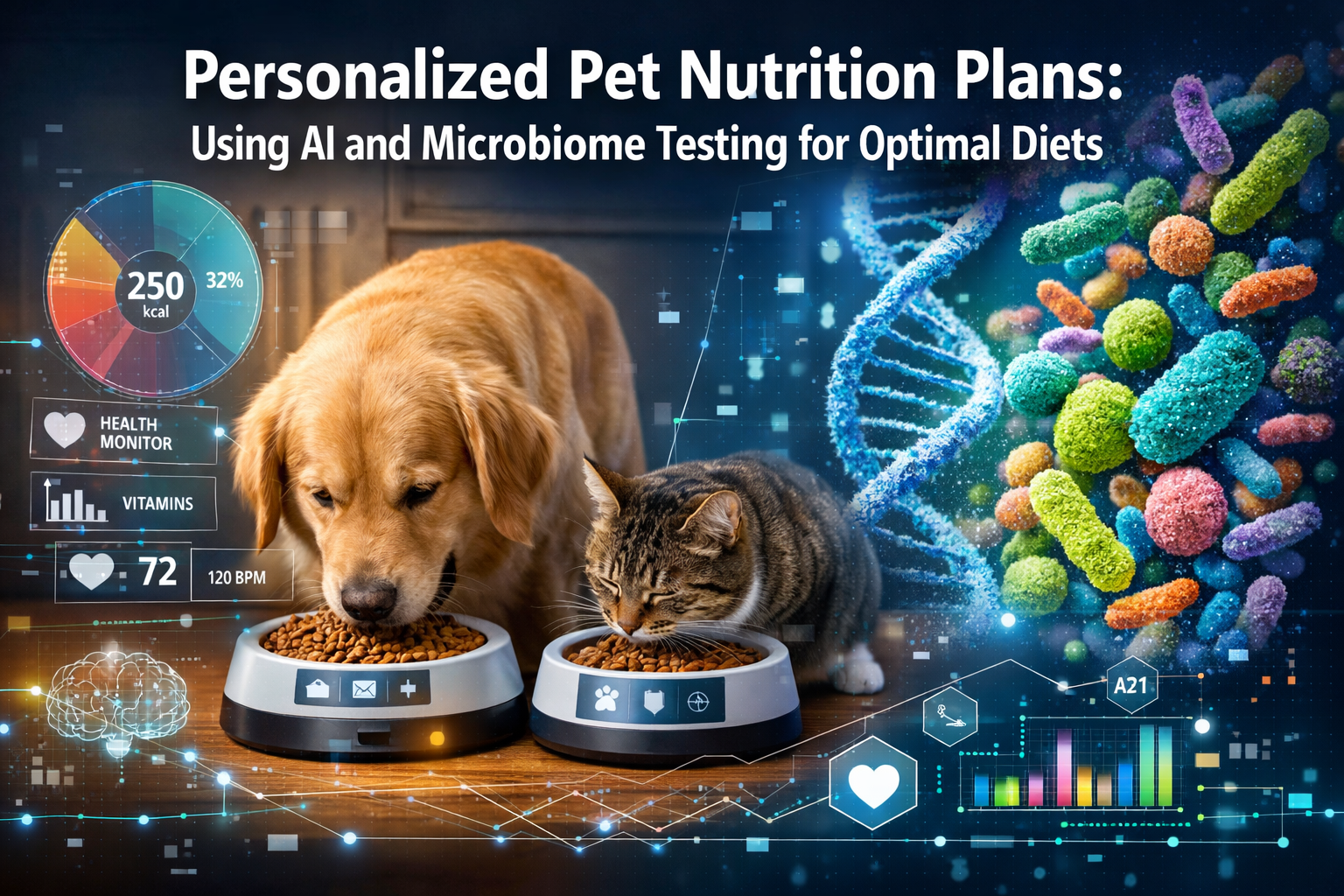
Pet owners in 2026 face a simple truth: one-size-fits-all kibble doesn’t work anymore. Just like humans, every dog and cat has unique nutritional needs based on their breed, age, activity level, and gut health. Personalized Pet Nutrition Plans: Using AI and Microbiome Testing for Optimal Diets combines cutting-edge technology with scientific analysis to create custom meal plans that prevent allergies, obesity, and digestive issues before they start. Instead of guessing what works, pet parents now use AI apps, smart feeders, and gut microbiome analysis to build breed-specific, health-tailored nutrition strategies that keep their pets thriving.
The shift from generic pet food to precision nutrition represents the biggest change in pet care since commercial kibble was invented. Companies now analyze over 20 million data points to personalize recipes and portions[2], while microbiome testing has become the primary driver of diet decisions in 2026[3]. This authority-driven guide breaks down exactly how these technologies work together and provides actionable steps to optimize your pet’s diet using real-world examples and smart recommendations.
Key Takeaways
- AI systems analyze millions of data points to create personalized recipes based on breed, weight, activity level, and health conditions, with some platforms adjusting protein and fatty acids to achieve ideal stool health within 14 days[2]
- Microbiome testing identifies specific bacterial imbalances that cause digestive issues, with research showing many perceived food allergies are actually gut flora problems that personalized diets can fix[5]
- Smart feeding technology uses AI cameras, LiDAR weight screening, and activity tracker integration to automatically adjust portions and detect health issues days before clinical symptoms appear[2]
- 72% of pet owners prioritize food quality and 79% invest in preventive care, driving massive adoption of personalized nutrition solutions in 2026[7]
- Implementation is straightforward: start with at-home microbiome testing, use AI platforms to build custom meal plans, and integrate smart feeders for automated portion control and health monitoring
How AI Creates Personalized Pet Nutrition Plans in 2026
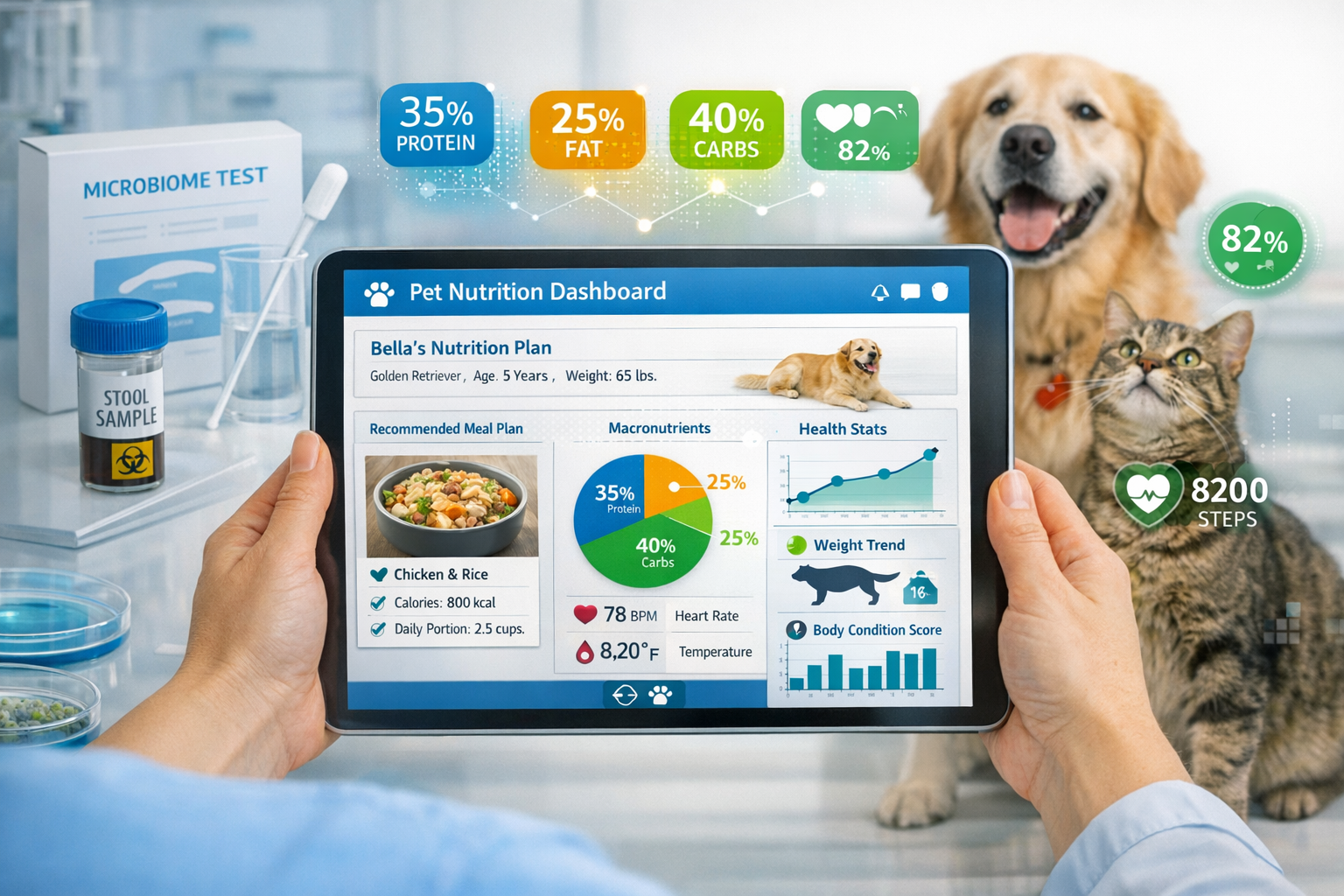
Artificial intelligence has transformed pet nutrition from simple feeding guidelines into precision health optimization. AI platforms now process massive datasets that include breed characteristics, metabolic rates, activity patterns, and health histories to generate truly individualized meal plans.
The Data Behind AI-Powered Pet Diets
Modern AI nutrition systems collect information from multiple sources to build complete health profiles. Companies like Ollie acquired DIG Labs in 2024 specifically to enable photo-based screenings of stool, skin, and teeth[2], adding visual health markers to their analysis toolkit.
The core data points AI systems evaluate include:
- Breed-specific metabolic requirements and genetic predispositions to certain conditions
- Age and life stage nutritional needs (puppy/kitten, adult, senior)
- Current weight and body condition scores from LiDAR scanning technology
- Activity levels tracked through wearable devices like FitBark and PetPace
- Health conditions such as kidney disease, diabetes, or joint problems
- Food preferences and sensitivities based on consumption patterns
- Stool quality indicators that reveal digestive efficiency
AI algorithms cross-reference these individual factors against databases containing nutritional research, veterinary guidelines, and outcomes from thousands of other pets with similar profiles. This creates a feedback loop where the system continuously learns which dietary adjustments produce the best health results.
Real-Time Optimization and Adjustment Systems
The most advanced feature of AI nutrition platforms is their ability to adapt in real-time. Ollie’s Foodback Loop system can adjust protein and fatty acids to achieve ideal stool health within 14 days of dietary changes[2], using continuous health monitoring to refine recipes.
AI-assisted LiDAR weight screenings now provide precise monitoring of pets’ weight with incredible accuracy[1], allowing recipe design aligned with specific caloric and nutritional needs. When a pet’s weight trends upward or downward, the AI automatically recalculates portion sizes and macronutrient ratios.
Activity-linked portion adjustment represents another breakthrough. AI systems sync with wearables to monitor caloric burn, automatically adjusting subscription portions or smart feeder settings based on high-intensity activity days[2]. A dog who runs at the park for an hour gets more calories that evening, while a rainy day with minimal movement triggers reduced portions.
Integration with Veterinary Care
2026’s AI platforms don’t operate in isolation—they create Unified Health Dashboards shared directly with veterinarians[2], shifting pet care from reactive treatment to proactive, data-driven prevention. These dashboards compile:
- Consumption patterns and appetite changes
- Hydration tracking data
- Weight trends over time
- Biometric feedback from wearables
- Stool quality assessments
- Activity level variations
Veterinarians can review this comprehensive data during wellness visits or remotely monitor patients with chronic conditions. When the AI detects concerning patterns—like a 20% drop in food intake or sudden thirst spikes—it alerts both the owner and the vet, potentially preceding clinical symptoms of kidney or urinary issues by several days[2].
For pet owners looking to understand foundational nutrition principles before implementing AI systems, our guide to optimal pet nutrition provides essential background knowledge.
Understanding Microbiome Testing for Optimal Pet Diets
The gut microbiome—the collection of trillions of bacteria living in your pet’s digestive system—plays a crucial role in overall health. In 2026, microbiome testing has become the primary driver of diet decisions[3], moving beyond symptom treatment into targeted health optimization.
What Microbiome Testing Reveals
At-home microbiome test kits analyze stool samples to identify and quantify specific bacterial strains in your pet’s gut. The results provide a detailed map of microbial diversity and balance.
Through sequencing over 10,000 samples, researchers found that perceived food allergies are often actually imbalances in the microbiome rather than true allergies[5]. This means many pets suffering from chronic itching, digestive upset, or skin issues don’t need expensive elimination diets—they need targeted bacterial rebalancing through personalized nutrition.
Key insights from microbiome testing include:
| Test Result | What It Means | Dietary Solution |
|---|---|---|
| Low bacterial diversity | Weakened immune function, poor digestion | Prebiotic-rich foods, varied protein sources |
| High Clostridium levels | Inflammation, diarrhea risk | Anti-inflammatory ingredients, specific fiber types |
| Low Lactobacillus counts | Digestive inefficiency, nutrient malabsorption | Probiotic supplementation, fermented foods |
| Elevated Fusobacterium | Potential inflammatory bowel disease markers | Hypoallergenic proteins, omega-3 fatty acids |
| Imbalanced Firmicutes/Bacteroidetes ratio | Obesity risk, metabolic issues | Calorie-controlled diet, resistant starches |
How to Get Your Pet’s Microbiome Tested
The UK-based pet health brand Pooch & Mutt launched an at-home dog gut health test powered by BIOME9, a market leader in canine microbiome analysis[4]. Similar services are now available across North America and Europe.
The testing process is straightforward:
- Order a test kit online (typically $99-$199)
- Collect a small stool sample using the provided sterile swab
- Mail the sample to the lab in the prepaid envelope
- Receive detailed results within 2-3 weeks via email or app
- Review personalized recommendations for dietary adjustments
Some veterinarians also offer microbiome testing through professional lab services, which may provide more detailed analysis or integration with medical records.
Targeting Specific Health Outcomes Through Gut Bacteria
2026 personalized diets now target specific bacterial strains linked to health outcomes. For example:
- Diets designed to influence serotonin-producing bacteria help anxious pets by supporting neurotransmitter production in the gut-brain axis[3]
- Inflammation-reducing formulations for senior cats with joint issues focus on bacteria that modulate immune responses
- Weight management protocols adjust fiber types to favor bacteria associated with healthy metabolism
This precision approach means two dogs of the same breed and age might receive completely different dietary recommendations based on their unique microbiome profiles.
Pet owners dealing with suspected food sensitivities should explore our hypoallergenic diet guide to understand how microbiome-informed nutrition differs from traditional elimination diets.
Implementing Smart Feeding Technology for Precision Nutrition
Hardware innovation has kept pace with AI and microbiome science. Smart feeders and monitoring devices turn personalized nutrition plans into automated, foolproof feeding systems.
Advanced Smart Feeder Capabilities in 2026
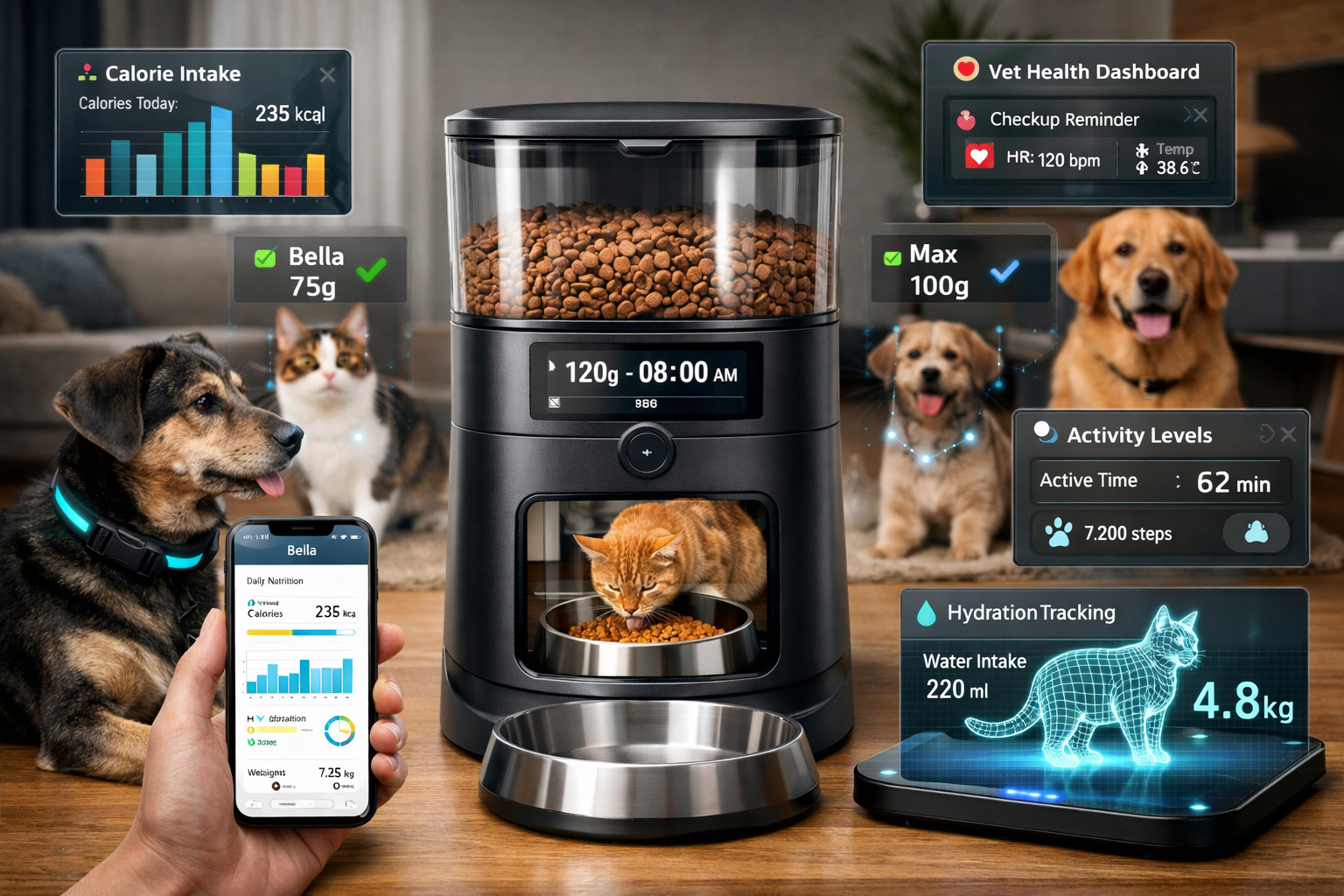
The PETKIT Yumshare Daily Feast, featured as a CES 2026 standout, includes an automatic bag-opening system and AI camera that identifies individual pets in multi-pet homes to ensure precise portion control[2]. The device also features UVC sterilization and integrated spoilage detection to maintain food freshness.
Modern smart feeders offer:
- Individual pet recognition via facial recognition or RFID collar tags
- Customized portion dispensing based on AI-calculated needs
- Scheduled feeding times that align with metabolic optimization
- Consumption tracking that measures exactly how much each pet eats
- Food freshness monitoring using sensors that detect spoilage
- Automatic reordering when food supplies run low
These features solve common challenges in multi-pet households where one pet might eat another’s food or where portion control requires constant vigilance.
Health Monitoring Through Feeding Behavior
Edge-AI systems like petgugu and Cheerble detect micro-shifts in behavior, with a 20% drop in food intake or sudden thirst spikes potentially preceding clinical symptoms of kidney or urinary issues by several days[2].
Smart feeders equipped with cameras and weight sensors track:
- Eating speed changes that might indicate dental pain or nausea
- Food avoidance patterns suggesting ingredient sensitivities
- Appetite fluctuations correlated with activity levels or stress
- Drinking frequency as an early kidney disease indicator
- Meal timing preferences that inform optimal feeding schedules
When combined with AI analysis, this behavioral data creates an early warning system for health problems. The technology sends alerts to owners and can automatically schedule veterinary consultations when patterns match known disease indicators.
Integration with Wearables and Activity Trackers
The complete personalized nutrition ecosystem connects feeding data with activity monitoring. Wearables track:
- Daily step counts and exercise intensity
- Sleep quality and rest patterns
- Heart rate variability indicating stress levels
- Caloric expenditure estimates based on movement
- Location data showing indoor versus outdoor time
AI platforms use this information to adjust daily caloric intake automatically. A highly active day triggers increased portions, while sedentary periods result in calorie reduction—preventing the weight gain that affects over 50% of pets.
For those interested in breed-specific dietary needs, smart feeding technology can implement the precise portion control and meal timing that certain breeds require for optimal health.
Building Your Pet’s Personalized Nutrition Plan: Step-by-Step
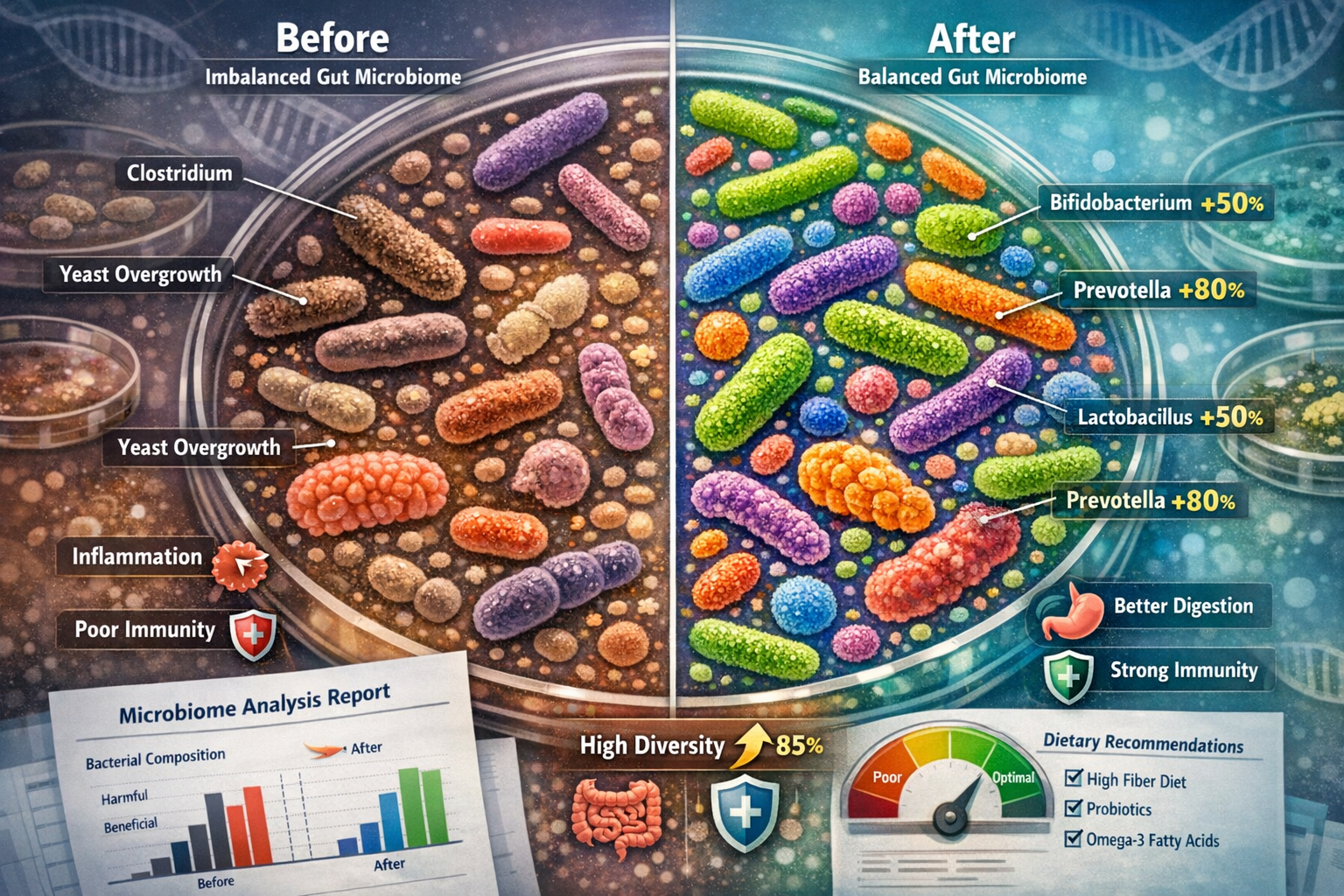
Implementing personalized nutrition doesn’t require technical expertise. Follow this straightforward guidance to transition from generic feeding to precision nutrition.
Step 1: Establish Your Pet’s Baseline Health Profile
Start by gathering comprehensive information about your pet:
- Current diet details: brand, formula, daily portions, treats
- Body condition score: assess using veterinary charts (1-9 scale)
- Activity level: sedentary, moderate, or highly active
- Health history: chronic conditions, past illnesses, medications
- Behavioral observations: energy levels, stool quality, coat condition
Schedule a wellness exam with your veterinarian to get professional measurements and discuss any health concerns. Request blood work to establish baseline kidney, liver, and thyroid function—this data becomes crucial for AI platforms.
Step 2: Order and Complete Microbiome Testing
Choose a reputable microbiome testing service and follow their collection protocol carefully. Timing matters: collect samples when your pet is on their regular diet and hasn’t recently taken antibiotics (wait at least 4 weeks after antibiotic treatment).
When results arrive, review them with your veterinarian to understand:
- Which bacterial populations are out of balance
- Whether any pathogenic bacteria are present
- How diversity compares to healthy reference ranges
- Specific dietary interventions recommended
Many testing companies provide consultation services with veterinary nutritionists who can interpret results and suggest initial dietary changes.
Step 3: Select an AI-Powered Nutrition Platform
Several platforms offer personalized pet nutrition in 2026:
- Ollie: Fresh food subscription with extensive AI customization and the Foodback Loop system
- Nom Nom: Veterinary-formulated fresh meals with microbiome test integration
- Farmer’s Dog: Personalized portions based on breed, age, and activity
- Just Food For Dogs: Whole food diets with pantry-to-bowl ingredient transparency
Compare platforms based on:
- Ingredient quality and sourcing transparency
- Customization depth (how many factors they consider)
- Delivery logistics and subscription flexibility
- Price per serving relative to your budget
- Integration capabilities with smart feeders and wearables
Input your pet’s complete health profile into the platform. The more detailed information you provide, the more precise the AI’s recommendations.
Step 4: Implement Smart Feeding Technology
Invest in a quality smart feeder that matches your household needs. For single-pet homes, basic models with portion control and scheduling work well. Multi-pet households benefit from individual recognition features.
Set up the feeder according to manufacturer instructions and connect it to your chosen AI platform if integration is available. Configure:
- Portion sizes based on AI recommendations
- Feeding schedule (most pets do best with 2-3 meals daily)
- Alert preferences for consumption anomalies
- Camera settings for visual monitoring
Sync any wearable activity trackers to enable automatic portion adjustments based on exercise levels.
Step 5: Monitor, Measure, and Adjust
The first 30 days are crucial for observing how your pet responds to personalized nutrition. Track:
- Stool quality using the 1-7 scale (4 is ideal—formed but not hard)
- Energy levels and behavioral changes
- Weight trends with weekly measurements
- Coat condition improvements or changes
- Appetite consistency through smart feeder data
Most AI platforms recommend adjustments within 14 days if initial results aren’t optimal. Trust the data—the system learns from your pet’s specific responses.
For pet owners interested in canine nutrition fundamentals, understanding basic nutritional science helps you make informed decisions when reviewing AI recommendations.
Common Challenges and Solutions in Personalized Pet Nutrition
Even with advanced technology, pet owners encounter obstacles when implementing customized feeding plans. Here’s how to address the most frequent issues.
Transitioning from Generic to Personalized Food
Challenge: Abrupt diet changes cause digestive upset, even when switching to higher-quality personalized food.
Solution: Use a gradual 7-10 day transition:
- Days 1-2: 75% old food, 25% new food
- Days 3-4: 50% old food, 50% new food
- Days 5-6: 25% old food, 75% new food
- Days 7+: 100% new food
If digestive issues occur, slow the transition to 14 days. Add digestive enzymes or probiotics during the switch to support gut adaptation.
Managing Cost Considerations
Challenge: Personalized fresh food and smart technology represent significant upfront investment.
Solution: Implement in stages:
- Start with microbiome testing ($99-$199 one-time cost) to identify specific needs
- Use test results to select targeted commercial foods rather than full custom meals
- Add smart feeding when budget allows, starting with basic models ($80-$150)
- Upgrade to full AI platforms as you see measurable health improvements
Calculate potential savings from reduced veterinary bills, fewer digestive issues, and prevention of obesity-related conditions. Many pet owners find the investment pays for itself within 12-18 months.
Dealing with Picky Eaters
Challenge: Some pets refuse new foods despite nutritional superiority.
Solution: AI platforms can adjust recipes for palatability while maintaining nutritional targets. Try:
- Flavor rotation within the same nutritional profile
- Texture modifications (some pets prefer pâté over chunks)
- Gradual temperature changes (warming food releases aromas)
- Mixing in small amounts of highly palatable toppers
Smart feeders help by maintaining consistent meal times, which increases hunger-driven acceptance. Avoid free-feeding during the transition—scheduled meals create natural appetite.
Multi-Pet Household Complications
Challenge: Different pets need different diets but share feeding spaces.
Solution: Smart feeders with individual recognition solve this completely. The PETKIT Yumshare and similar devices ensure each pet receives only their designated food[2].
For budget-conscious households:
- Feed pets in separate rooms with timed access
- Use microchip-activated bowls that only open for specific pets
- Supervise meal times and remove bowls after 15-20 minutes
Addressing Ingredient Availability Issues
Challenge: Supply chain disruptions or ingredient shortages affect personalized meal delivery.
Solution: Choose platforms with flexible formulation that can substitute equivalent ingredients without compromising nutritional targets. AI systems can reformulate recipes using available proteins and carbohydrates while maintaining the same macronutrient and micronutrient profiles.
Keep a 2-week emergency supply of your pet’s personalized food frozen, and have a veterinarian-approved backup commercial food identified in case of extended supply issues.
For those exploring raw food diets as part of their personalized nutrition plan, understanding proper handling and storage becomes especially important.
The Science Behind Personalized Pet Nutrition Success
Understanding the biological mechanisms that make customized nutrition effective helps pet owners appreciate why precision feeding produces superior results compared to generic approaches.
Nutrient Bioavailability and Individual Variation
Not all pets absorb nutrients with equal efficiency. Factors affecting bioavailability include:
- Age-related digestive enzyme production (declines in senior pets)
- Breed-specific gut length (affects transit time and absorption)
- Microbiome composition (certain bacteria enhance or inhibit nutrient uptake)
- Health conditions (kidney disease alters protein metabolism)
Personalized nutrition accounts for these variations. A senior dog with reduced pancreatic enzyme production receives pre-digested proteins or enzyme supplementation, while a young active dog gets whole proteins that their robust digestive system handles efficiently.
Macronutrient Ratios for Specific Goals
Generic pet foods use standardized protein/fat/carbohydrate ratios, but optimal ratios vary based on individual needs:
For weight loss: Higher protein (35-45%), moderate fat (10-15%), controlled carbs (30-40%) maintains muscle mass while creating caloric deficit.
For athletic performance: Moderate protein (25-30%), higher fat (20-25%), moderate carbs (35-45%) provides sustained energy without digestive stress.
For senior pets: Moderate protein (22-28%), lower fat (8-12%), higher fiber (5-8%) supports aging metabolism and joint health.
For growing puppies: Higher protein (28-32%), moderate fat (15-20%), controlled calcium (1.2-1.8%) supports development without skeletal issues.
AI platforms calculate these ratios based on your pet’s specific life stage, activity level, and health status, then adjust based on response data.
Micronutrient Optimization
Vitamins and minerals require equally precise calibration. Personalized plans address:
- Breed-specific deficiency risks (certain breeds poorly absorb B vitamins)
- Health condition requirements (kidney disease needs phosphorus restriction)
- Age-related needs (senior pets need more antioxidants)
- Activity-based demands (working dogs need more electrolytes)
Over-supplementation can be as harmful as deficiency. AI systems maintain optimal ranges rather than maximizing individual nutrients.
The Gut-Brain Connection in Pet Health
Research increasingly shows that gut bacteria influence behavior and mental health through the gut-brain axis. Personalized diets targeting specific bacterial strains can address:
- Anxiety and stress by supporting serotonin-producing bacteria[3]
- Cognitive decline in senior pets through inflammation-reducing microbes
- Hyperactivity by balancing neurotransmitter-influencing bacteria
For pet owners dealing with hyperactive dogs, microbiome-targeted nutrition offers a science-based alternative to behavior modification alone.
Future Developments in AI and Microbiome Pet Nutrition
The field continues to advance rapidly. Understanding emerging trends helps pet owners prepare for next-generation nutrition tools.
Predictive Health Modeling
2027-2028 will likely see AI platforms that predict disease risk years in advance based on:
- Genetic testing combined with nutrition data
- Longitudinal microbiome tracking showing trajectory toward disease states
- Multi-generational data from related animals
- Environmental factor integration (pollution exposure, stress levels)
These systems will recommend preventive dietary interventions before any symptoms appear, potentially adding years to pets’ healthy lifespans.
Personalized Supplement Formulation
Rather than generic multivitamins, AI will create individual supplement blends containing only what each pet needs. Micronutrient testing combined with consumption data will identify specific deficiencies, and 3D-printed supplements will deliver precise doses.
Real-Time Metabolic Monitoring
Wearable biosensors currently in development will track:
- Blood glucose levels continuously (crucial for diabetic pets)
- Ketone production for pets on therapeutic diets
- Hydration status through interstitial fluid analysis
- Stress hormone levels affecting nutrient needs
This data will enable within-meal adjustments—smart feeders could alter portion sizes between morning and evening based on real-time metabolic state.
Blockchain-Verified Ingredient Sourcing
Consumer demand for transparency will drive blockchain integration, allowing pet owners to trace every ingredient from farm to bowl. AI platforms will incorporate sourcing quality into nutritional calculations, adjusting recipes when ingredient quality varies.
Integration with Veterinary Diagnostics
Future AI systems will directly access veterinary diagnostic results—blood work, urinalysis, imaging—and automatically adjust nutrition plans based on clinical findings. This closes the loop between medical treatment and nutritional support.
Pet owners interested in staying current with nutrition guides can prepare for these advances by establishing baseline health data now.
Making the Investment: Cost-Benefit Analysis of Personalized Pet Nutrition
Understanding the financial implications helps pet owners make informed decisions about implementing these technologies.
Upfront and Ongoing Costs
Initial Investment:
- Microbiome testing: $99-$199 (one-time or annual)
- Smart feeder: $80-$400 depending on features
- Activity tracker: $50-$150
- Veterinary consultation: $75-$150
Monthly Costs:
- Personalized food subscription: $2-$8 per day ($60-$240/month)
- AI platform subscription: $0-$30/month (some included with food)
- Replacement supplies: $10-$20/month
For a medium-sized dog, total first-year costs typically range from $1,200-$3,500, with subsequent years costing $800-$3,000.
Measurable Health Benefits and Savings
72% of pet owners prioritize the quality of their pet’s food, and 79% invest in preventive care[7], recognizing that upfront nutrition investment prevents costly health problems.
Documented savings include:
- Reduced veterinary visits for digestive issues, allergies, and obesity-related conditions ($200-$800/year)
- Lower medication costs when nutrition addresses root causes ($100-$500/year)
- Extended healthy lifespan delaying expensive senior care (value varies)
- Avoided emergency treatments for preventable conditions ($500-$5,000+ per incident)
Many pet insurance companies now offer premium discounts for pets on documented personalized nutrition plans, recognizing the reduced risk profile.
Quality of Life Improvements
Beyond financial considerations, personalized nutrition delivers:
- Higher energy levels and improved playfulness
- Better coat quality and reduced shedding
- Fewer digestive upsets and more consistent stool quality
- Reduced itching and skin issues from food sensitivities
- Improved longevity with more healthy years
These quality-of-life benefits justify the investment for most dedicated pet owners.
Conclusion
Personalized Pet Nutrition Plans: Using AI and Microbiome Testing for Optimal Diets represents the future of pet care—a future that has already arrived in 2026. The combination of artificial intelligence analyzing millions of data points, microbiome testing revealing specific gut health needs, and smart feeding technology automating precision nutrition creates an ecosystem that prevents health problems rather than just treating symptoms.
The science is clear: generic one-size-fits-all pet food cannot address the individual variations in metabolism, gut bacteria, activity levels, and breed-specific needs that determine optimal health. With 72% of pet owners prioritizing food quality[7] and microbiome testing becoming the primary driver of diet decisions[3], the shift toward personalized nutrition has reached mainstream adoption.
Your Next Steps
Ready to optimize your pet’s diet? Follow this action plan:
- Schedule a wellness exam to establish baseline health metrics and discuss personalized nutrition with your veterinarian
- Order a microbiome test to understand your pet’s specific gut health status and bacterial imbalances
- Research AI nutrition platforms that align with your budget and your pet’s needs, comparing customization depth and ingredient quality
- Invest in basic smart feeding technology to enable portion control and consumption monitoring
- Implement gradually using the 7-10 day transition protocol while tracking stool quality, energy levels, and weight changes
- Monitor and adjust based on data from your smart feeder and AI platform recommendations
- Share results with your vet through integrated health dashboards to enable proactive care
The technology exists today to give your pet a truly optimized diet tailored to their unique biology. The question isn’t whether personalized nutrition works—the data proves it does. The question is whether you’ll take advantage of these tools to give your pet the healthiest, longest life possible.
Start with one component—microbiome testing or an AI platform—and build from there. Even partial implementation of personalized nutrition produces measurable improvements over generic feeding approaches. Your pet’s health is worth the investment.
For additional resources on implementing optimal nutrition strategies, explore our comprehensive guide to pet nutrition and canine-specific nutritional guidance.
References
[1] The Future Of Pet Nutrition Personalization – https://www.petfoodindustry.com/news-newsletters/petfood-forum-news/article/15737844/the-future-of-pet-nutrition-personalization
[2] The Role Of Ai In Pet Food Personalization From Generic Kibble To Precision Bio Nutrition – https://thesmartsnout.com/2026/02/07/the-role-of-ai-in-pet-food-personalization-from-generic-kibble-to-precision-bio-nutrition/
[3] 2026 Pet Trends From Wearable Vets To Insect Protein – https://petsetconline.com/blog/2026-pet-trends-from-wearable-vets-to-insect-protein
[4] Pooch Mutt Launches At Home Dog Gut Health Test – https://www.vafo.com/pooch-mutt-launches-at-home-dog-gut-health-test/
[5] Personalized Nutrition The Holy Grail Of Pet Industry – https://www.nutraingredients.com/Article/2021/01/21/Personalized-nutrition-The-holy-grail-of-pet-industry/
[7] 2025 Review Glp1 Ai Precision Food Security – https://www.nutritioninsight.com/news/2025-review-glp1-ai-precision-food-security.html
