
Heart disease doesn’t just affect humans—it’s one of the leading health concerns for dogs and cats in 2026. Whether you’re a pet owner looking to prevent cardiac issues or managing an existing diagnosis, understanding Heart Health Diets for Dogs and Cats: 2026’s Must-Have Ingredients and Recipes can make a real difference in your companion’s quality of life. This guide breaks down the latest research, essential nutrients, and practical recipes to support your pet’s cardiovascular health.
Key Takeaways
- Nutritional quality matters more than ingredient type: Recent studies show that balanced formulations with high-quality proteins support cardiac function better than focusing solely on grain-free or grain-inclusive options[1]
- Omega-3 fatty acids (EPA and DHA) are essential: These anti-inflammatory nutrients help reduce chronic inflammation linked to heart conditions and may slow disease progression[2]
- Taurine levels remain stable across diet types: Blood and urinary taurine concentrations aren’t significantly affected by grain-free versus grain-inclusive diets in healthy dogs[1]
- Individual response varies: Not all pets respond the same way to dietary changes, making personalized nutrition plans critical for optimal heart health
- Proactive care beats reactive treatment: Starting heart-healthy nutrition early provides better long-term outcomes than waiting for symptoms to appear
Understanding the Connection Between Diet and Heart Health in Pets
The relationship between what pets eat and their cardiac function has become clearer in 2026, thanks to ongoing research from institutions like Tufts University. Dr. Lisa Freeman, whose work earned recognition through the inaugural Canine Health Discovery of the Year Award, continues to study how diet influences dilated cardiomyopathy (DCM) development in dogs and cats[8].
What Recent Research Tells Us
A groundbreaking 18-month prospective study involving 60 healthy adult dogs found something surprising: cardiac function was supported in healthy adult dogs fed foods formulated to provide similar nutrition through different ingredient profiles[1]. This means the grain-free versus grain-inclusive debate isn’t as black-and-white as many pet owners believed.
The study compared three diet types:
- Grain-free formulations
- Grain-inclusive foods with pulses (legumes)
- Grain-inclusive foods without pulses
Results showed that when nutritional profiles remained balanced and high-quality, heart function stayed healthy regardless of whether grains were included[1]. However, the FDA continues monitoring potential links between certain diets and canine DCM, particularly those heavy in peas, lentils, and potatoes as primary ingredients[9].
The Taurine Question
For years, taurine deficiency was suspected as the main culprit behind diet-related heart problems. But 2026 research challenges this assumption. The same 18-month study found that blood and urinary taurine levels remained unaffected by diet type, suggesting other mechanisms may be at play when certain foods contribute to cardiac issues[1].
This doesn’t mean taurine isn’t important—it absolutely is, especially for cats who can’t synthesize it on their own. It simply means the story is more complex than a single nutrient deficiency.
2026’s Must-Have Ingredients for Heart Health Diets
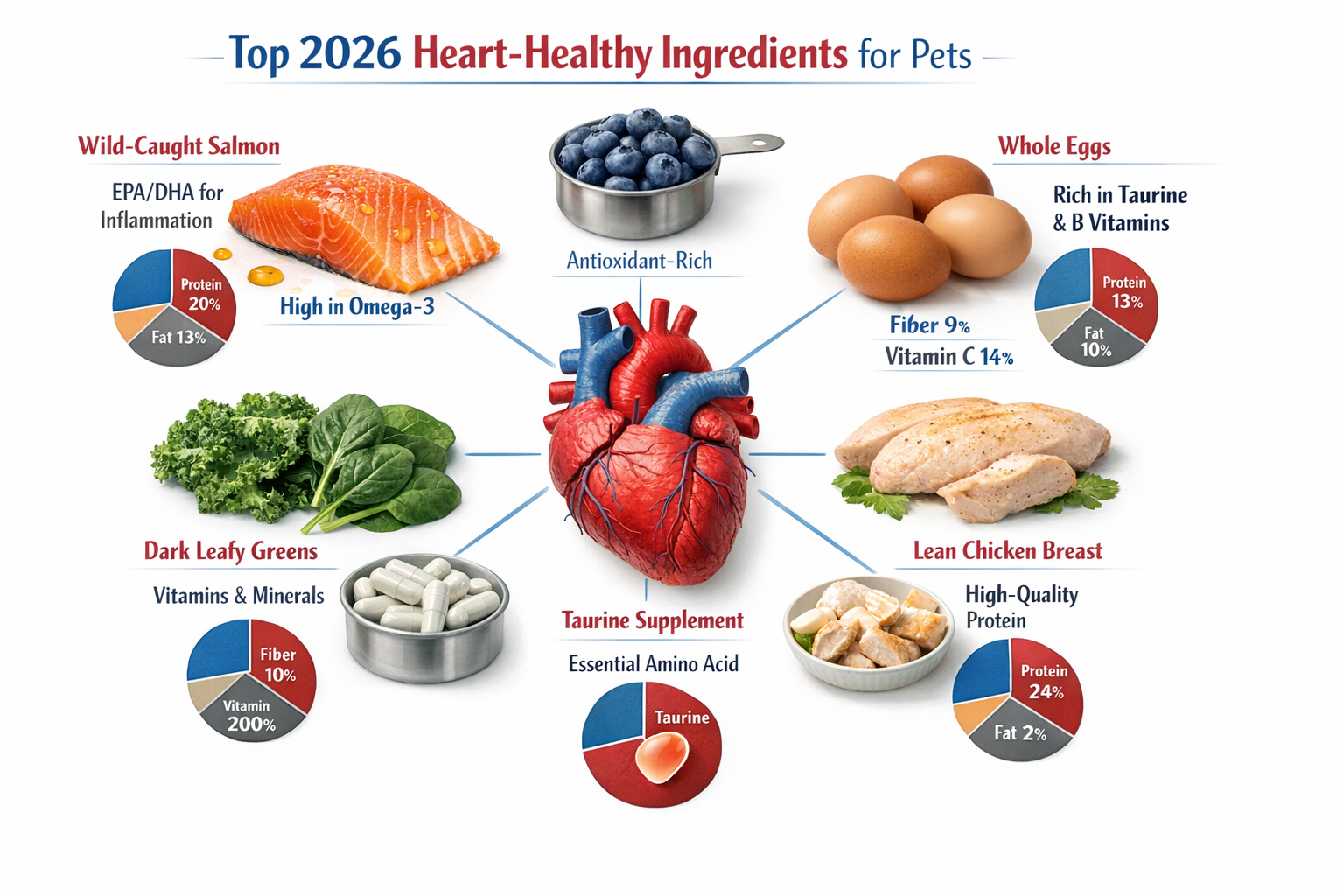
When building a heart-healthy diet for dogs and cats, it’s the quality of the macronutrients composing these diets that make a difference for heart health, rather than the quantity[1]. Here’s what should be on your shopping list:
High Biological Value Proteins
Not all proteins are created equal. The best sources for cardiac health include:
- Whole eggs (highest biological value)
- Fish (salmon, sardines, mackerel)
- Poultry (chicken, turkey)
- Beef (lean cuts)
- Dairy products (cottage cheese, plain yogurt)
These proteins provide complete amino acid profiles that support muscle maintenance, including the heart muscle itself[2]. When preparing homemade meals for your pets, prioritize these protein sources over plant-based alternatives.
Omega-3 Fatty Acids: EPA and DHA
Perhaps the most important supplements for heart health are EPA (eicosapentaenoic acid) and DHA (docosahexaenoic acid)—omega-3 fatty acids found primarily in fish and fish oils[2]. These nutrients:
✅ Reduce chronic inflammation associated with heart disease
✅ Support healthy blood pressure
✅ May slow disease progression in diagnosed cases
✅ Improve overall cardiovascular function
Best sources:
- Wild-caught salmon
- Sardines
- Anchovies
- High-quality fish body oil supplements
- Krill oil
Antioxidant-Rich Foods
Antioxidants combat oxidative stress that damages heart cells over time. Include these in your pet’s diet:
- Blueberries (vitamin C, anthocyanins)
- Spinach and kale (vitamin E, beta-carotene)
- Sweet potatoes (beta-carotene)
- Carrots (vitamin A)
- Pumpkin (fiber, vitamins)
These whole foods provide natural antioxidants that work synergistically, offering better protection than isolated supplements alone.
Taurine and L-Carnitine
While research shows taurine levels stay stable across diet types in healthy dogs[1], supplementation may still benefit:
- Cats (who require dietary taurine)
- Dogs with diagnosed DCM
- Certain breeds predisposed to taurine-deficiency DCM (Golden Retrievers, Cocker Spaniels)
L-carnitine helps transport fatty acids into cells for energy production and may support heart muscle function.
What to Limit or Avoid
Just as important as what to include:
❌ Excessive sodium: Can worsen fluid retention and blood pressure
❌ Low-quality fillers: Provide calories without nutritional benefit
❌ Artificial preservatives: May contribute to inflammation
❌ Spicy foods: Can cause digestive upset
Heart-Healthy Recipes for Dogs and Cats
Putting theory into practice, here are veterinarian-approved recipes that incorporate 2026’s must-have ingredients for cardiac health. These recipes follow nutritional goals of maintaining optimal body condition, enhancing diets with EPA and DHA, and selecting high biological value proteins[2].
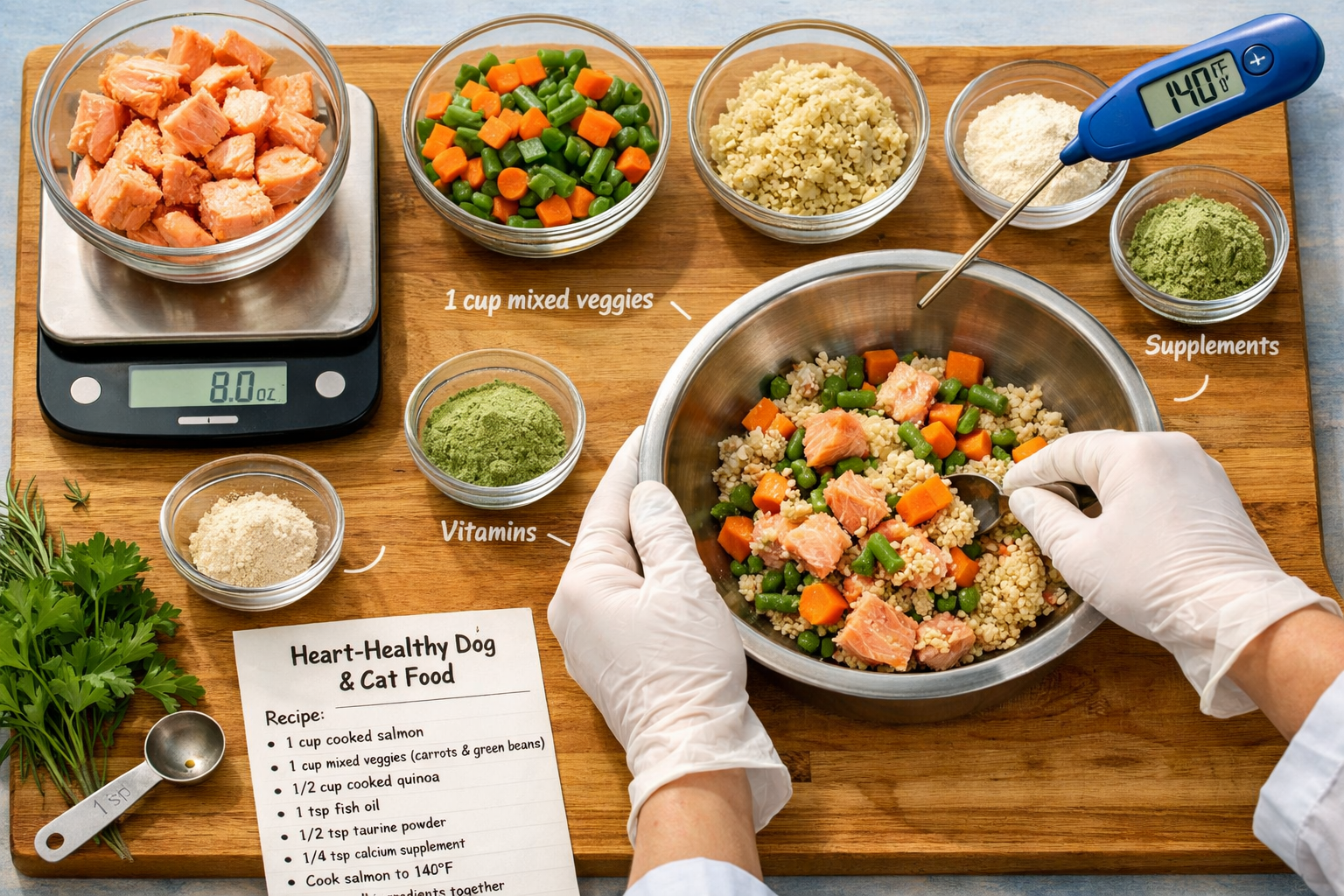
Recipe #1: Omega-Rich Salmon Bowl for Dogs
Ingredients:
- 1 pound wild-caught salmon (cooked, bones removed)
- 1 cup cooked quinoa
- ½ cup steamed green beans
- ½ cup diced sweet potato (cooked)
- 2 tablespoons fish body oil
- 1 teaspoon ground flaxseed
- ¼ cup blueberries
Instructions:
- Cook salmon thoroughly and remove all bones
- Prepare quinoa according to package directions
- Steam green beans until tender
- Bake or boil sweet potato until soft
- Mix all ingredients in a large bowl
- Add fish oil and flaxseed
- Portion according to your dog’s weight (consult your vet)
- Store in refrigerator for up to 3 days or freeze portions
Nutritional highlights: High in omega-3s, complete protein, antioxidant-rich, moderate carbohydrates
Recipe #2: Taurine-Boosted Chicken and Egg Mix for Cats
Ingredients:
- 8 ounces chicken thigh (cooked, skin removed)
- 2 whole eggs (hard-boiled)
- 2 tablespoons chicken liver (cooked)
- 1 tablespoon fish oil
- 500mg taurine supplement (powder)
- 2 tablespoons pumpkin puree
- ¼ cup water or low-sodium chicken broth
Instructions:
- Cook chicken thoroughly and chop into small pieces
- Hard-boil eggs and chop
- Lightly cook chicken liver
- Blend all ingredients until reaching desired consistency
- Add taurine powder and fish oil
- Mix in pumpkin for fiber
- Add water/broth to achieve proper moisture content
- Serve at room temperature
Nutritional highlights: Complete amino acid profile, added taurine, omega-3 support, digestible
Recipe #3: Beef and Vegetable Heart Health Stew for Dogs
Ingredients:
- 1 pound lean ground beef (93% lean or higher)
- 1 cup brown rice (cooked)
- ½ cup carrots (diced and cooked)
- ½ cup spinach (chopped and steamed)
- ¼ cup peas
- 2 tablespoons beef tallow (in moderation)
- 1 tablespoon fish oil
- 1 teaspoon dried parsley
Instructions:
- Brown lean beef in a pan, drain excess fat
- Cook brown rice according to directions
- Steam vegetables until tender
- Combine all ingredients in a large pot
- Add fish oil after cooking (heat destroys omega-3s)
- Mix thoroughly
- Cool before serving
- Portion based on dog’s size and activity level
Nutritional highlights: Balanced macronutrients, antioxidants from vegetables, omega-3 supplementation
For more recipe ideas, check out our collection of raw dog food diet recipes and main meals that can be adapted for heart health.
Key Nutritional Goals for Managing Heart Disease
When a pet has been diagnosed with cardiac issues, nutrition becomes even more critical. The primary goals include[2]:
1. Maintain Optimal Body Condition
Neither obesity nor excessive thinness helps heart health. Lean body mass should be the target:
- For overweight pets: Gradual weight loss (1-2% body weight per week)
- For underweight pets: Calorie-dense, nutrient-rich foods
- Regular monitoring: Weigh monthly and adjust portions
2. Enhance Diet with EPA and DHA
Fish oil supplementation provides anti-inflammatory benefits that may help reduce the chronic inflammation associated with heart conditions[2]. Dosing should be:
- Dogs: 50-100 mg combined EPA/DHA per 10 pounds body weight
- Cats: 40-80 mg combined EPA/DHA per 5 pounds body weight
Always choose high-quality, molecularly distilled fish oils to avoid contaminants.
3. Avoid Nutritional Excesses and Deficiencies
Balance is everything. Too much or too little of key nutrients can worsen cardiac function:
- Sodium: Moderate restriction (not elimination)
- Phosphorus: May need limitation in advanced cases
- Protein: Adequate but not excessive
- Calories: Matched to energy needs
4. Select High Biological Value Proteins
As mentioned earlier, protein quality matters more than quantity. Focus on complete proteins with excellent amino acid profiles rather than simply increasing protein percentages[2].
5. Add Strategic Dietary Supplements
Beyond omega-3s, consider:
- Taurine: 500-1000mg daily for dogs with DCM; essential for all cats
- L-carnitine: 50-100mg per kilogram body weight
- Coenzyme Q10: Antioxidant support (30-90mg daily depending on size)
- B-vitamins: Support energy metabolism
Always consult with a veterinary nutritionist before adding supplements, especially if your pet takes cardiac medications.
Navigating the Grain-Free Debate in 2026
The grain-free controversy continues to evolve. Here’s what pet owners need to know based on current evidence:
What We Know
Recent research shows no decline in cardiac function when healthy dogs eat balanced grain-free or grain-inclusive diets with similar nutritional profiles[1]. However, some important nuances exist:
Mixed findings on blood markers: While some studies found no echocardiographic changes in dogs eating grain-free foods, others noted increases in blood markers of cardiac disease even without structural changes visible on imaging[1].
Dietary intervention results vary: Some dogs diagnosed with DCM showed improved cardiac function when switched to foods with grains or excluding pulses, but this doesn’t apply uniformly across all cases[1].
Individual variation matters: The 18-month study found that 24 dogs developed mild endocarditis by the study’s end, which may explain some observed echocardiographic changes independent of diet composition[1].
Smart Recommendations for 2026
Based on authority-driven insights from current research:
✅ Choose foods formulated by veterinary nutritionists with proven track records
✅ Look for AAFCO feeding trial statements rather than just “formulated to meet” standards
✅ Prioritize ingredient quality over marketing claims about grain-free or grain-inclusive
✅ Monitor your pet’s health with regular veterinary checkups including cardiac screening for at-risk breeds
✅ Consider your pet’s individual needs rather than following trends
If you’re concerned about food allergies or sensitivities, work with your veterinarian to identify specific triggers rather than assuming grains are the problem.
Proactive Care: Starting Heart-Healthy Nutrition Early
Prevention beats treatment every time. Even if your pet shows no signs of heart disease, implementing heart-healthy nutrition principles now provides long-term benefits.
Risk Factors to Consider
Some pets face higher cardiac disease risk:
- Breed predisposition: Cavalier King Charles Spaniels, Dobermans, Boxers, Great Danes, Golden Retrievers
- Age: Senior pets (7+ years for large breeds, 10+ for small breeds)
- Obesity: Excess weight strains the cardiovascular system
- Sedentary lifestyle: Lack of exercise weakens cardiac muscle
- Poor nutrition history: Years of low-quality diets
Preventive Nutrition Strategies
Start these habits early:
1. Feed measured portions: Prevent obesity by controlling calorie intake
2. Include omega-3s regularly: Even healthy pets benefit from anti-inflammatory support
3. Offer variety: Rotate protein sources to ensure broad nutrient intake
4. Limit treats: Keep treats under 10% of daily calories
5. Ensure adequate hydration: Water intake supports cardiovascular function
When to Consult a Veterinary Nutritionist
Seek professional guidance if:
- Your pet has been diagnosed with any cardiac condition
- You’re preparing homemade diets long-term
- Your pet has multiple health conditions requiring dietary management
- You’re unsure about appropriate supplement dosing
- Your pet shows signs of cardiac disease (coughing, exercise intolerance, rapid breathing)
Brand Recommendations and Commercial Options
While homemade diets offer maximum control, quality commercial foods can also support heart health when chosen carefully.
What to Look for on Labels
Protein sources: Named meats (chicken, beef, salmon) as first ingredients
Omega-3 content: Look for EPA and DHA amounts, not just “fish oil”
Taurine levels: Especially important for cats and at-risk dog breeds
AAFCO statement: Feeding trials completed, not just formulation
Manufacturing standards: Made in facilities with quality control certifications
Ingredients to Question
⚠️ Unnamed meat meals (“meat meal” vs. “chicken meal”)
⚠️ Excessive peas, lentils, or potatoes as primary ingredients
⚠️ Artificial colors and flavors
⚠️ By-products without further specification
⚠️ Generic fat sources (“animal fat” vs. “chicken fat”)
For detailed reviews of specific brands, explore our dog food reviews section, which includes breakdowns of ingredients and nutritional quality.
Monitoring Your Pet’s Response to Dietary Changes
Changing your pet’s diet requires careful observation. Here’s how to track results:
Short-Term Indicators (1-4 Weeks)
- Energy levels: Increased vitality suggests good nutritional match
- Coat quality: Shinier, healthier coat indicates proper fatty acid intake
- Digestive health: Firm, regular stools show good digestibility
- Appetite: Enthusiasm for meals (without begging) is positive
- Body condition: Gradual movement toward ideal weight
Long-Term Markers (3-6 Months)
- Weight trends: Stable maintenance of ideal body condition
- Muscle mass: Preserved or improved lean muscle
- Blood work: Improved markers if previously abnormal
- Cardiac function: Stable or improved on echocardiogram
- Quality of life: Better exercise tolerance, fewer symptoms
Keep a simple log noting:
- Date of diet change
- Foods/amounts fed
- Body weight (monthly)
- Energy level (1-10 scale)
- Any symptoms or concerns
Share this log with your veterinarian at checkups for informed discussions about your pet’s nutrition plan.
Special Considerations for Cats vs. Dogs
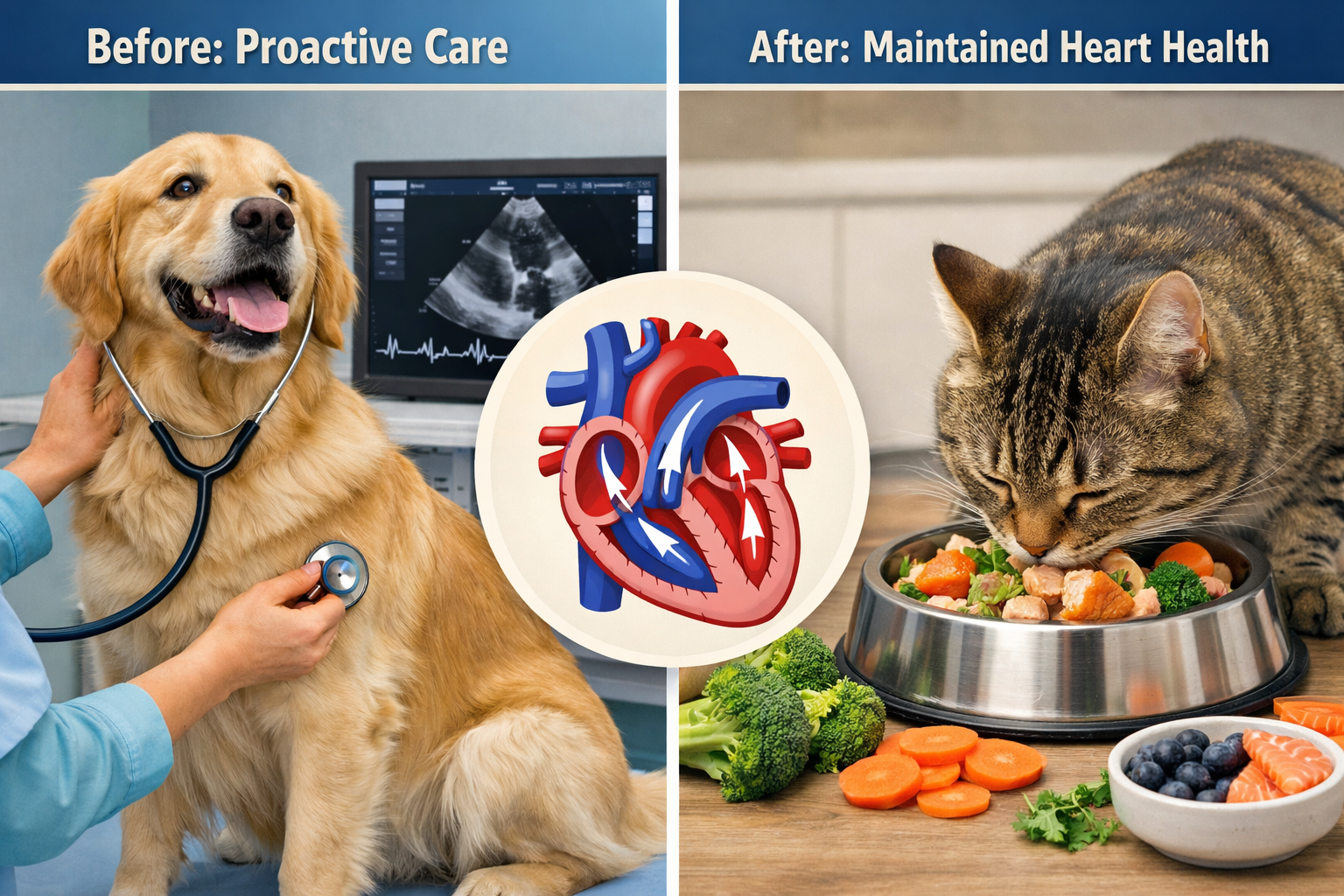
While many heart health principles apply to both species, important differences exist:
Cats Are Obligate Carnivores
Unique needs:
- Higher protein requirements: 30-40% of calories from protein
- Taurine dependency: Cannot synthesize adequate amounts
- Arachidonic acid: Must come from animal sources
- Vitamin A: Need preformed retinol (not beta-carotene)
- Lower carbohydrate tolerance: Limited ability to process carbs
Recipe adjustments for cats:
- Increase meat content to 80-90% of recipe
- Add taurine supplementation (500-1000mg daily)
- Minimize grains and vegetables
- Ensure adequate moisture (cats often under-drink)
Dogs Are Omnivores
Unique needs:
- Flexible macronutrient ratios: Can thrive on varied protein/carb/fat ratios
- Can synthesize taurine: Though some breeds benefit from supplementation
- Better carbohydrate digestion: Can utilize grains and vegetables efficiently
- Varied protein sources: Can include plant proteins as part of the mix
Recipe adjustments for dogs:
- Include 40-60% animal protein
- Add vegetables and whole grains for fiber and nutrients
- Consider breed-specific needs (check our breed-specific diets guide)
- Adjust portions based on activity level
Creating Your Pet’s Heart Health Action Plan
Ready to implement Heart Health Diets for Dogs and Cats: 2026’s Must-Have Ingredients and Recipes? Follow this step-by-step approach:
Step 1: Assess Current Status
- Schedule a veterinary checkup including cardiac screening
- Review current diet ingredients and nutritional adequacy
- Identify any existing risk factors
- Establish baseline measurements (weight, body condition score)
Step 2: Set Clear Goals
- Define target body condition
- Determine if prevention or management is the focus
- Establish timeline for dietary transition
- Identify specific health markers to monitor
Step 3: Choose Your Approach
Option A: Commercial diet
- Research brands meeting quality criteria
- Select appropriate formula (all life stages, senior, cardiac support)
- Calculate correct portions for your pet’s weight
Option B: Homemade diet
- Consult with veterinary nutritionist for complete recipe
- Source high-quality ingredients
- Plan preparation and storage system
- Calculate supplement needs
Option C: Combination approach
- Use commercial food as base
- Add fresh toppers (cooked proteins, vegetables)
- Supplement with omega-3s and other targeted nutrients
Step 4: Transition Gradually
Never switch foods abruptly. Use this 7-10 day transition:
- Days 1-2: 75% old food, 25% new food
- Days 3-4: 50% old food, 50% new food
- Days 5-6: 25% old food, 75% new food
- Days 7+: 100% new food
Monitor for digestive upset and adjust timeline if needed.
Step 5: Monitor and Adjust
- Track response indicators (listed earlier)
- Schedule follow-up veterinary visits
- Adjust portions based on body condition changes
- Fine-tune recipes or brands as needed
Conclusion: Taking Action for Your Pet’s Heart Health
Heart Health Diets for Dogs and Cats: 2026’s Must-Have Ingredients and Recipes represents more than just a feeding strategy—it’s a commitment to your companion’s long-term wellbeing. The latest research confirms that nutritional quality trumps ingredient trends, with balanced formulations supporting cardiac function regardless of grain inclusion[1].
Your Next Steps
Immediate actions:
- Schedule a veterinary consultation to assess your pet’s cardiac health
- Review your current pet food ingredients against the quality markers outlined above
- Begin incorporating omega-3-rich foods into your pet’s diet
- Calculate your pet’s ideal body condition and adjust portions accordingly
This week: 5. Try one of the heart-healthy recipes provided, adjusted for your pet’s species and size 6. Research commercial foods if homemade isn’t feasible, using our nutrition guides for support 7. Order high-quality fish oil supplements if not already part of your routine
This month: 8. Complete the dietary transition to your chosen heart-healthy approach 9. Establish a monitoring system to track your pet’s response 10. Connect with a veterinary nutritionist if managing diagnosed heart disease
Remember that individual variation means what works perfectly for one pet may need adjustment for another[1]. Stay observant, remain flexible, and prioritize your pet’s specific needs over general trends.
Heart disease may be common, but with proactive nutrition featuring must-have ingredients like omega-3 fatty acids, high biological value proteins, and antioxidant-rich whole foods, you’re giving your dog or cat the best chance at a long, healthy life. The recipes and strategies outlined here provide straightforward guidance for implementing these evidence-based principles starting today.
Your pet depends on you for every meal—make each one count toward supporting their cardiovascular health for years to come.
References
[1] academic.oup – https://academic.oup.com/jas/article/doi/10.1093/jas/skaf225/8196486
[2] Heart Disease – https://www.kristinajohansen.com/dog-nutritionist/services/heart-disease/
[8] Tufts Professor Lisa Freeman Wins Inaugural Canine Health Discovery Of The Year Award – https://www.tuftsdaily.com/article/2026/02/tufts-professor-lisa-freeman-wins-inaugural-canine-health-discovery-of-the-year-award
[9] Fda Investigation Potential Link Between Certain Diets And Canine Dilated Cardiomyopathy – https://www.fda.gov/animal-veterinary/outbreaks-and-advisories/fda-investigation-potential-link-between-certain-diets-and-canine-dilated-cardiomyopathy
