
nn
The days of grabbing any bag of kibble off the shelf are over. In 2026, pet parents are using cutting-edge science to feed their dogs and cats based on their unique gut bacteria—and the results are transforming pet health. Hyper-personalized biometric diets for pets: mapping gut microbiomes for optimal health represents the biggest shift in pet nutrition since commercial pet food was invented. Instead of guessing what works, owners now use at-home testing kits to analyze their pet’s microbiome and create custom meals that target specific health issues like anxiety, joint pain, and digestive problems.
This authority-driven breakdown explains how microbiome mapping works, why it matters for your pet’s health, and how AI-powered feeding systems are making personalized nutrition easier than ever.
Key Takeaways
- 🧬 At-home microbiome kits analyze your pet’s unique gut bacteria to create custom diets targeting specific health conditions
- 🤖 AI-driven systems use over 20 million data points to personalize recipes, portions, and feeding schedules
- 🧠 Gut-brain connection allows personalized diets to address behavioral issues like anxiety through targeted bacterial strains
- 📊 Smart feeders with facial recognition ensure each pet in multi-pet homes gets the right personalized meal
- 🏥 Unified health dashboards share real-time consumption and biometric data directly with veterinarians for proactive care
What Are Hyper-Personalized Biometric Diets for Pets?
Hyper-personalized biometric diets for pets go far beyond simple allergy-friendly formulas. These cutting-edge nutrition plans use microbiome analysis—the study of bacteria living in your pet’s digestive system—to create meals tailored to their unique biological needs.
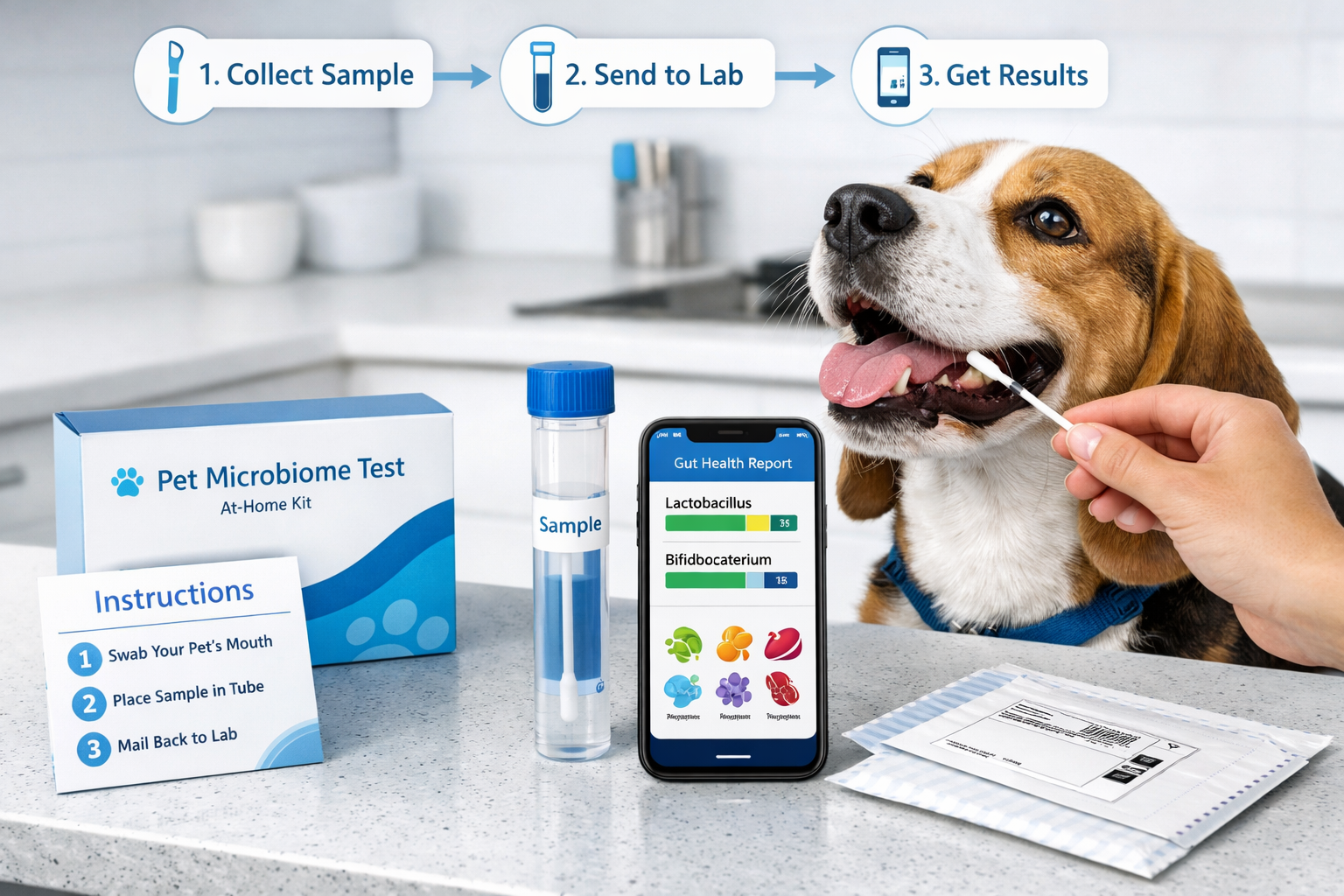
Here’s how it works: Pet owners collect a simple stool sample using an at-home kit. The sample gets sent to a lab where scientists sequence the DNA of thousands of bacterial strains living in the gut. The results reveal which beneficial bacteria are thriving and which harmful ones might be causing problems.
The Science Behind Microbiome Mapping
Your pet’s gut contains trillions of bacteria, fungi, and other microorganisms that affect everything from digestion to mood. When these microbes are balanced, pets feel energetic, maintain healthy weight, and show fewer signs of inflammation or stress.
When the microbiome is imbalanced—a condition called dysbiosis—pets may experience:
- Chronic digestive issues (diarrhea, constipation, gas)
- Skin problems and excessive itching
- Low energy and lethargy
- Behavioral changes like anxiety or aggression
- Weakened immune function
- Joint inflammation and pain
The microbiome test identifies exactly which bacterial strains are missing or overgrown. Based on these results, nutrition companies formulate custom kibble, wet food, or supplements designed to restore balance.[1]
How This Differs From Traditional Pet Food
Traditional pet food follows a “one size fits all” approach. A bag of chicken and rice kibble gets fed to millions of dogs with completely different digestive systems, activity levels, and health needs.
Hyper-personalized diets flip this model:
| Traditional Pet Food | Personalized Biometric Diets |
|---|---|
| Generic formulas for all pets | Custom recipes based on individual gut bacteria |
| Reactive (address problems after they appear) | Proactive (prevent issues before symptoms start) |
| Static nutrition | Dynamic adjustments based on health data |
| No health monitoring | Continuous tracking via smart feeders and wearables |
| Vet visits only when sick | Data-driven prevention with regular vet collaboration |
This shift from reactive to proactive nutrition represents a fundamental change in how we care for pets.[2]
For pet owners already exploring customized nutrition, understanding breed-specific dietary needs provides another layer of personalization that complements microbiome-based feeding.
Understanding Gut Microbiomes and Pet Health
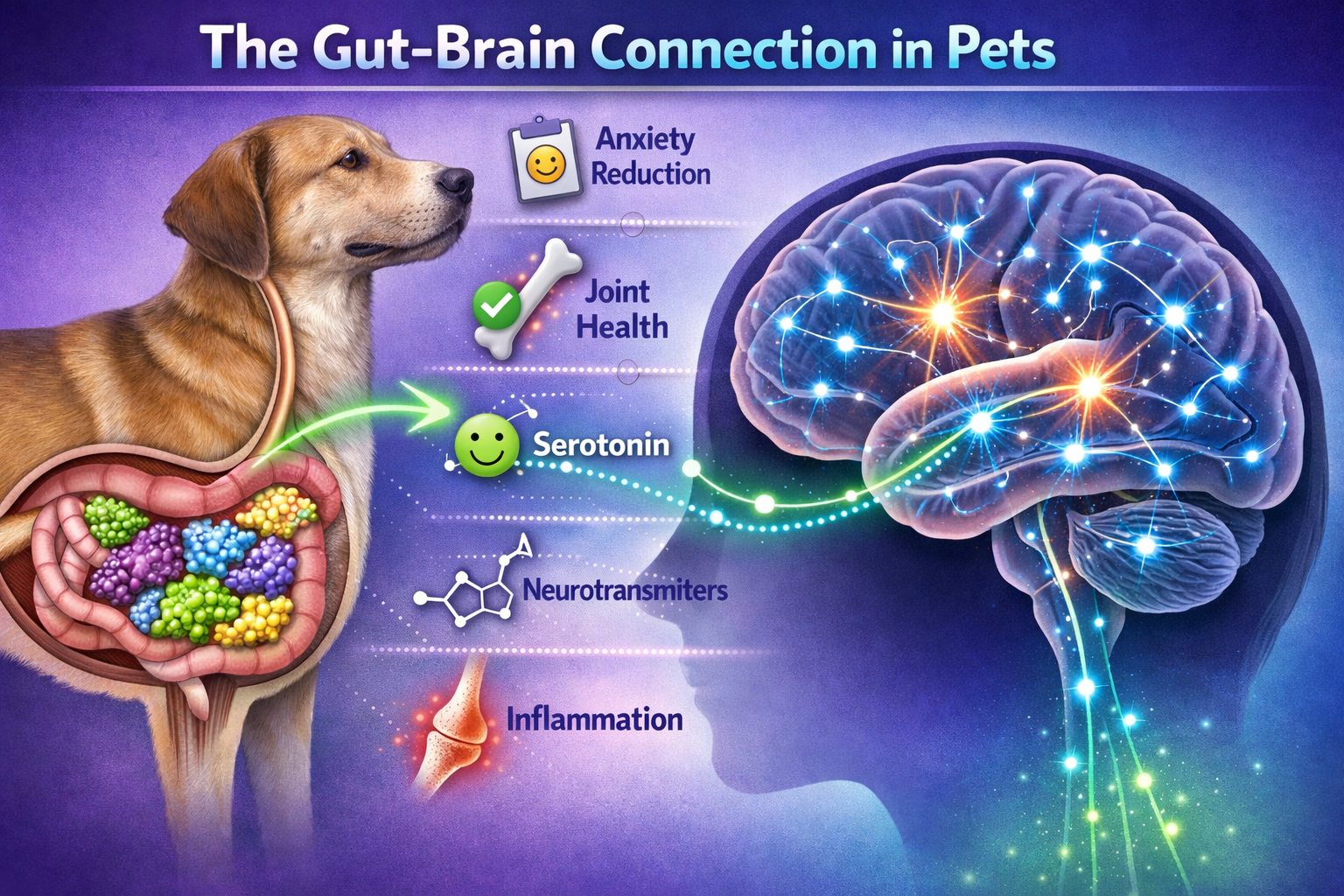
The gut microbiome serves as your pet’s “second brain.” Scientists now understand that gut bacteria produce neurotransmitters, regulate inflammation, and communicate directly with the nervous system through what’s called the gut-brain axis.[1]
The Gut-Brain Connection in Pets
When certain beneficial bacteria thrive in your pet’s intestines, they produce compounds like:
- Serotonin (the “happy chemical” that reduces anxiety)
- GABA (calms nervous system activity)
- Short-chain fatty acids (reduce inflammation throughout the body)
This explains why personalized diets can address behavioral issues. If a dog shows signs of anxiety—excessive barking, destructive chewing, or separation distress—a microbiome test might reveal low levels of bacteria that produce calming neurotransmitters. The custom diet then includes specific prebiotics and probiotics to boost those beneficial strains.[1]
Targeting Specific Health Outcomes
In 2026, hyper-personalized biometric diets for pets: mapping gut microbiomes for optimal health enables targeted nutrition for specific conditions:
🦴 Joint Health & Inflammation
Senior pets with arthritis receive formulas that promote bacteria producing anti-inflammatory compounds. These diets reduce joint stiffness without relying solely on medication.
😰 Anxiety & Behavioral Issues
Pets with stress-related behaviors get meals designed to increase serotonin-producing bacteria, creating a calmer disposition naturally.
💪 Digestive Health
Dogs with chronic diarrhea or sensitive stomachs receive formulas that restore beneficial bacteria while eliminating ingredients that feed harmful strains.
🛡️ Immune Support
Pets prone to infections get diets that strengthen immune-regulating bacteria, reducing the frequency of illness.
This targeted approach transforms pet nutrition from basic sustenance into precision medicine.[1]
Pet owners interested in foundational nutrition principles can explore our complete guide to optimal pet nutrition to understand how personalized diets build on core nutritional science.
At-Home Microbiome Testing: How It Works
The process of mapping your pet’s gut microbiome has become remarkably simple in 2026. Here’s a step-by-step breakdown of how at-home testing works:
Step 1: Order Your Testing Kit
Several companies now offer direct-to-consumer microbiome testing kits for pets. After ordering online, you receive a package containing:
- Sterile collection swabs or containers
- Preservation solution to keep samples stable
- Prepaid shipping label
- Detailed instructions with photos
Most kits cost between $99-$299 depending on the depth of analysis.
Step 2: Collect the Sample
Sample collection takes less than 5 minutes. For stool samples, you simply use the provided swab to collect a small amount during your pet’s regular bathroom routine. Some advanced kits also request:
- Saliva samples (for oral microbiome analysis)
- Skin swabs (for pets with dermatological issues)
- Photos of your pet’s coat, teeth, or stool
Companies like Ollie now use AI image analysis to evaluate visual health markers. Their system scans uploaded photos for muscle tone, coat quality, and stool consistency, adding these data points to the microbiome analysis.[2]
Step 3: Lab Analysis
Once the lab receives your sample, scientists use DNA sequencing technology to identify every bacterial strain present. Advanced labs can detect thousands of different microorganisms and measure their relative abundance.
The analysis typically takes 2-4 weeks and generates a comprehensive report showing:
- Complete bacterial profile with percentages
- Comparison to healthy reference ranges
- Specific imbalances or concerning patterns
- Health risk indicators
- Personalized nutrition recommendations
Step 4: Receive Your Custom Diet Plan
Based on the results, you receive a detailed nutrition plan that may include:
- Custom kibble formulations with specific protein sources, fiber types, and functional ingredients
- Probiotic supplements containing the exact bacterial strains your pet needs
- Prebiotic foods that feed beneficial bacteria
- Ingredient exclusions that might feed harmful bacteria
- Portion recommendations based on your pet’s metabolism and activity level
Many companies offer subscription services that deliver fresh, customized meals directly to your door, adjusting the formula as your pet’s microbiome changes over time.[3]
For pets with specific dietary restrictions, combining microbiome insights with hypoallergenic diet principles creates the most comprehensive personalized nutrition plan.
AI-Powered Personalization: The Technology Behind Custom Diets
Artificial intelligence has transformed hyper-personalized biometric diets for pets: mapping gut microbiomes for optimal health from a niche concept into a mainstream reality. In 2026, AI systems analyze massive datasets to create nutrition plans that adapt in real-time.
The Ollie AI Health Screening System
After acquiring DIG Labs in 2024, Ollie deployed one of the most sophisticated AI-driven health screening platforms in the pet industry. The system analyzes over 20 million data points to personalize recipes and portions for individual pets.[2]
Here’s what makes it revolutionary:
📸 Image AI Analysis
Owners upload photos of their pet’s stool, skin, coat, and teeth. The AI scans these images to assess:
- Stool consistency and color (indicators of digestive health)
- Coat shine and thickness (markers of nutrient absorption)
- Skin condition (signs of allergies or inflammation)
- Dental health (plaque buildup, gum inflammation)
These visual markers get combined with microbiome data to create a complete health picture.
🔄 The Foodback Loop System
After starting a personalized diet, the AI monitors how pets respond to specific recipes. The system tracks changes in stool quality, energy levels, and coat condition, making adjustments to protein sources and fatty acid ratios to achieve “ideal stool” health within 14 days.[2]
This continuous optimization means the diet evolves as your pet’s needs change with age, activity level, and health status.
Activity-Adjusted Caloric Compensation
Modern AI feeding systems sync with pet wearables like FitBark and PetPace to track daily activity levels. If your dog has an unusually active day at the park, the system automatically adjusts the next meal’s portion to compensate for the extra caloric burn.[2]
This prevents both underfeeding (which can cause muscle loss) and overfeeding (which leads to obesity)—two of the most common problems with static feeding schedules.
Smart Feeders With Facial Recognition
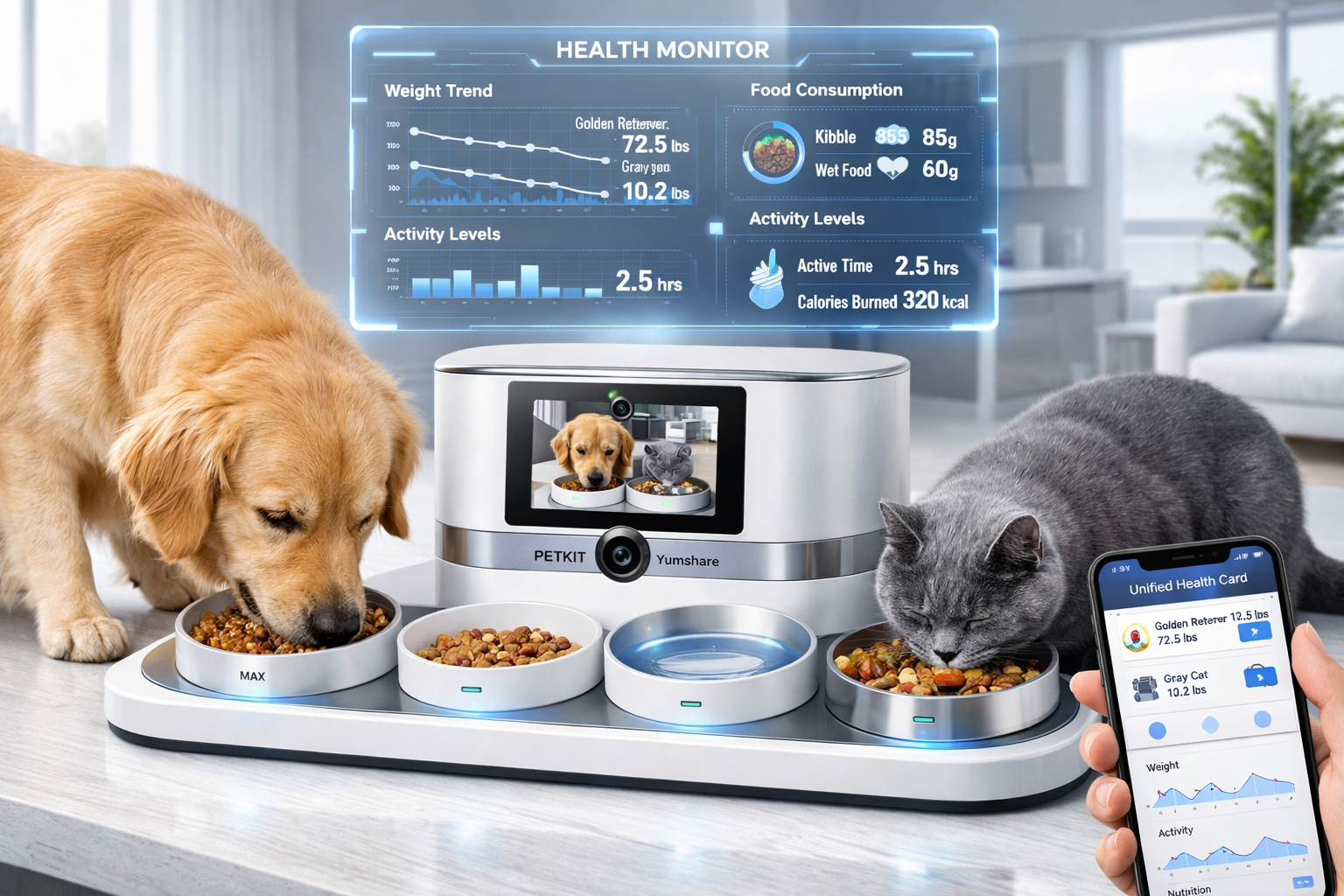
The PETKIT Yumshare Daily Feast, showcased at CES 2026, represents the cutting edge of AI-powered feeding technology. This robotic wet food feeder features:[4]
- Automatic bag-opening system that handles fresh wet food pouches
- Integrated 1080p, 140-degree wide-angle AI camera for visual monitoring
- Multi-pet facial recognition ensuring each pet gets their personalized portion
- NFC freshness tracking that monitors food quality
- UVC sterilization during every dispensing cycle
- AI-based leftover detection to prevent waste and track consumption
In multi-pet homes, this technology solves a major challenge: making sure each animal eats only their custom diet. The facial recognition system identifies which pet approaches the bowl and dispenses the appropriate meal.[4]
For pet owners exploring different food types, understanding the benefits of raw dog food diets can complement personalized feeding approaches.
Early Warning Systems: Consumption Anomaly Detection
One of the most valuable features of AI-powered personalized feeding is consumption anomaly detection—the ability to spot health problems before visible symptoms appear.
How Edge-AI Monitors Micro-Shifts in Behavior
Systems like petgugu and Cheerble use edge-AI technology (processing data locally rather than in the cloud) to monitor subtle changes in eating and drinking patterns.[2][5]
The AI establishes a baseline of your pet’s normal behavior over several weeks, then watches for deviations such as:
- 20% drop in food intake over 2-3 days
- Sudden spike in water consumption
- Changes in eating speed or meal timing
- Unusual food-seeking behavior
- Decreased interest in favorite treats
These micro-shifts often precede clinical symptoms of serious conditions like kidney disease, diabetes, or urinary issues by several days—giving owners and veterinarians a critical head start on treatment.[2][5]
The Unified Health Dashboard
In 2026, consumption data automatically compiles into a Unified Health Dashboard (also called a “Health Card”) that integrates:[2]
- Real-time consumption patterns
- Hydration tracking
- Weight trends from smart scales
- Biometric feedback from wearables (heart rate, activity, sleep)
- Microbiome test results
- Vaccination records
- Medication schedules
This dashboard syncs directly with your veterinarian’s electronic health record (EHR) system, enabling proactive, data-driven prevention rather than reactive treatment.[2]
When your vet reviews the dashboard before your appointment, they already know about the subtle decrease in appetite that started two weeks ago—information that might otherwise go unnoticed until a problem becomes severe.
Matter 1.5 Sync Compatibility
New feeding systems prioritize Matter 1.5 Sync Compatibility, ensuring devices communicate seamlessly with activity trackers, smart scales, and health monitoring equipment while maintaining secure, standardized health reports.[2]
This interoperability means you’re not locked into a single brand’s ecosystem. Your smart feeder, activity tracker, and microbiome testing service all share data through secure, standardized protocols.
Understanding your pet’s overall nutritional needs remains essential—our nutrition guides provide foundational knowledge that complements advanced biometric feeding.
Subscription-Based Personalized Nutrition Services
The business model for hyper-personalized biometric diets for pets: mapping gut microbiomes for optimal health relies heavily on subscription services that deliver fresh, customized meals on a regular schedule.
How Subscription Services Work
After completing initial microbiome testing and AI health screening, pet owners enroll in a subscription plan that factors in:[3]
- Age (puppies, adults, seniors have different nutritional needs)
- Breed (certain breeds are prone to specific health issues)
- Size (portion requirements vary dramatically)
- Activity level (working dogs vs. lap dogs)
- Health conditions (diabetes, kidney disease, allergies)
- Microbiome profile (specific bacterial imbalances)
The service then delivers pre-portioned meals—fresh, frozen, or freeze-dried—directly to your door every 2-4 weeks.
Dynamic Formula Adjustments
Unlike static pet food, subscription services adjust formulas based on:
- Seasonal changes (more calories in winter for outdoor pets)
- Life stage transitions (shifting from adult to senior formulas)
- Health improvements (reducing anti-inflammatory ingredients as joint health improves)
- New microbiome tests (recommended every 6-12 months)
- Weight management goals (gradual calorie reduction for weight loss)
This dynamic approach keeps nutrition optimized as your pet’s needs evolve.
Alternative Proteins and Functional Ingredients
Beyond traditional chicken, beef, and fish, 2026 personalized diets incorporate:[3]
🦗 Insect Protein
Sustainable and hypoallergenic, insect-based proteins (cricket, black soldier fly larvae) provide complete amino acid profiles with minimal environmental impact. Some pets with multiple protein allergies thrive on insect-based formulas.
🦴 Collagen Supplements
Specifically formulated for joint and digestive health based on individual microbiome profiles, collagen supports gut lining repair and reduces inflammation.
🌿 Targeted Prebiotics
Rather than generic fiber, personalized diets include specific prebiotic compounds that feed the exact beneficial bacteria your pet needs to increase.
🐟 Omega-3 Ratios
Custom EPA/DHA ratios based on inflammatory markers and skin condition, optimized for each pet’s metabolism.
For pet owners interested in preparing meals at home, our collection of best dog recipes offers guidance on creating nutritionally balanced homemade meals.
Real-World Benefits: What Pet Owners Are Seeing
The shift to hyper-personalized biometric diets for pets: mapping gut microbiomes for optimal health is delivering measurable improvements in pet wellness:
Digestive Health Improvements
Pet owners report significant reductions in:
- Chronic diarrhea and loose stools
- Excessive gas and bloating
- Vomiting and food sensitivities
- Inflammatory bowel symptoms
Many see improvements within 14 days of starting a microbiome-optimized diet.[2]
Behavioral Changes
Dogs with anxiety-related behaviors show:
- Reduced separation distress
- Less destructive chewing
- Calmer responses to triggers
- Improved sleep quality
These changes occur without medication, simply by optimizing gut bacteria that produce calming neurotransmitters.[1]
Joint Health and Mobility
Senior pets with arthritis experience:
- Increased willingness to exercise
- Reduced limping and stiffness
- Better range of motion
- Less reliance on pain medication
Anti-inflammatory bacterial strains and targeted functional ingredients support joint health from the inside out.
Coat and Skin Quality
Visible improvements include:
- Shinier, thicker coat
- Reduced shedding
- Less itching and scratching
- Faster healing of hot spots
- Reduced allergy symptoms
These changes reflect improved nutrient absorption and reduced systemic inflammation.
Weight Management
AI-adjusted portions help pets:
- Reach ideal body condition
- Maintain stable weight
- Build lean muscle mass
- Avoid obesity-related health issues
Activity-based caloric compensation prevents the weight fluctuations common with static feeding amounts.[2]
Pet owners managing specific health conditions can also benefit from specialized approaches like low phosphorus dog foods for kidney health.
Challenges and Considerations
While hyper-personalized biometric diets for pets: mapping gut microbiomes for optimal health offers tremendous benefits, pet owners should understand some practical considerations:
Cost Factors
Personalized nutrition comes with higher price points:
- Initial microbiome testing: $99-$299
- Monthly subscription meals: $50-$200+ depending on pet size
- Smart feeders with AI: $200-$500
- Pet wearables: $50-$150
For many owners, the investment pays off through reduced veterinary bills and improved quality of life, but budget-conscious pet parents need to weigh costs carefully.
Transition Period
Switching to a personalized diet requires patience:
- Gradual introduction over 7-10 days to prevent digestive upset
- Initial adjustment period as microbiome rebalances
- Possible temporary changes in stool consistency
- Time needed to see full benefits (typically 2-4 weeks)
Technology Learning Curve
Smart feeding systems require:
- Wi-Fi connectivity and app setup
- Regular software updates
- Understanding of dashboard metrics
- Troubleshooting technical issues
While companies design systems for user-friendliness, some pet owners find the technology overwhelming initially.
Multi-Pet Complexity
Households with multiple pets face:
- Higher costs for individual testing and custom diets
- Need for facial recognition feeders or separate feeding areas
- Complexity managing different dietary requirements
- Risk of pets eating each other’s food
Smart feeders with facial recognition help, but they represent an additional investment.[4]
Veterinary Integration Gaps
Despite progress, challenges remain:
- Not all veterinarians are familiar with microbiome-based nutrition
- Some practices lack compatible EHR systems for data integration
- Varying levels of acceptance within the veterinary community
- Need for ongoing education about gut microbiome science
Choosing a veterinarian who embraces data-driven, preventive care maximizes the benefits of personalized nutrition.
For pet owners concerned about food safety and quality, our dog food reviews provide detailed analysis of commercial options.
The Future of Pet Nutrition: What’s Coming Next
The evolution of hyper-personalized biometric diets for pets: mapping gut microbiomes for optimal health continues to accelerate. Here’s what experts predict for the next few years:
Expanded Biometric Markers
Future testing will include:
- Blood metabolite analysis showing how pets process specific nutrients
- Genetic testing integration identifying breed-specific nutritional needs
- Hormone level monitoring for endocrine-optimized diets
- Cellular health markers detecting oxidative stress and aging
AI-Predicted Health Trajectories
Advanced algorithms will:
- Predict disease risk based on microbiome patterns
- Recommend preventive nutrition interventions
- Model how dietary changes affect long-term health outcomes
- Identify optimal nutrition for longevity
Veterinary-Prescribed Therapeutic Diets
Personalized nutrition will expand into:
- Custom formulas for chronic disease management
- Post-surgical recovery diets optimized for individual healing rates
- Cancer support nutrition based on tumor type and treatment
- Kidney disease diets adjusted to specific biomarkers[7]
Sustainability Integration
Environmental considerations will drive:
- Carbon footprint tracking for individual diets
- Sustainable protein source recommendations
- Local ingredient sourcing when possible
- Packaging reduction and recycling programs
Community Health Insights
Aggregated, anonymized data will reveal:
- Regional patterns in pet microbiome health
- Breed-specific nutritional trends
- Seasonal dietary needs by geography
- Population-level health improvements
This collective intelligence will improve personalized recommendations for all pets.[8]
Pet owners interested in staying informed about nutrition advances can follow our blog for regular updates on pet health and feeding strategies.
Getting Started With Personalized Pet Nutrition
Ready to explore hyper-personalized biometric diets for pets: mapping gut microbiomes for optimal health for your own pet? Here’s your action plan:
Step 1: Research Testing Companies
Compare microbiome testing services based on:
- Depth of bacterial analysis
- Turnaround time for results
- Quality of personalized recommendations
- Integration with subscription meal services
- Customer reviews and success stories
- Price and value
Step 2: Consult Your Veterinarian
Before starting, discuss:
- Your pet’s current health status
- Any existing medical conditions
- Medications that might affect microbiome
- Realistic expectations for improvements
- How to share data with your vet’s practice
Step 3: Complete Baseline Testing
Order your testing kit and:
- Follow collection instructions carefully
- Take “before” photos of coat, skin, and stool
- Document current behavioral or health concerns
- Note your pet’s current diet and supplements
Step 4: Review Results Thoroughly
When results arrive:
- Read the full report, not just the summary
- Identify the most significant imbalances
- Understand which health issues to prioritize
- Ask questions if anything is unclear
Step 5: Implement Dietary Changes Gradually
Start your personalized diet by:
- Mixing 25% new food with 75% old food for 2-3 days
- Increasing to 50/50 for 2-3 days
- Moving to 75% new food for 2-3 days
- Transitioning to 100% personalized diet
- Monitoring stool quality throughout
Step 6: Track Progress and Adjust
Monitor improvements in:
- Energy levels and playfulness
- Stool consistency and frequency
- Coat shine and skin condition
- Behavioral changes
- Weight and body condition
- Any reduction in symptoms
Share observations with your nutrition provider and veterinarian for ongoing optimization.
Step 7: Consider Smart Feeding Technology
If budget allows, invest in:
- Smart feeder with portion control
- Pet activity tracker
- Smart scale for weekly weigh-ins
- Integrated health dashboard
These tools maximize the benefits of personalized nutrition through continuous monitoring.[2]
For pet owners who prefer homemade approaches, understanding canine nutrition fundamentals ensures DIY meals meet all nutritional requirements.
Conclusion
Hyper-personalized biometric diets for pets: mapping gut microbiomes for optimal health represents the future of pet nutrition—and that future is already here in 2026. By analyzing the unique bacterial ecosystem in your pet’s gut, these cutting-edge approaches create custom diets that target specific health issues, from anxiety and joint pain to digestive problems and inflammation.
The science is clear: the gut microbiome affects every aspect of your pet’s health, from mood and behavior to immune function and longevity. AI-powered systems now make it easier than ever to test, analyze, and optimize your pet’s nutrition based on their individual biology rather than generic formulas.
While personalized nutrition requires a higher investment than traditional pet food, the benefits—improved health, reduced veterinary costs, better quality of life, and potentially longer lifespan—make it a worthwhile consideration for pet owners committed to optimal care.
Next Steps
Start your personalized nutrition journey today:
- Research microbiome testing companies and choose one that fits your needs and budget
- Schedule a consultation with your veterinarian to discuss how personalized nutrition fits into your pet’s overall health plan
- Order your testing kit and complete the microbiome analysis
- Implement the recommended diet gradually while monitoring your pet’s response
- Consider smart feeding technology to maximize the benefits of data-driven nutrition
- Retest every 6-12 months to track improvements and adjust the diet as your pet’s needs change
The era of one-size-fits-all pet food is over. With microbiome mapping and AI-powered personalization, you can give your pet nutrition designed specifically for their unique biology—supporting optimal health, happiness, and longevity for years to come.
For more guidance on pet nutrition and health, explore our comprehensive resources at Pets Diets, where you’ll find expert-backed information to help you make the best decisions for your pet’s wellbeing.
References
[1] 2026 Pet Trends From Wearable Vets To Insect Protein – https://petsetconline.com/blog/2026-pet-trends-from-wearable-vets-to-insect-protein
[2] The Role Of Ai In Pet Food Personalization From Generic Kibble To Precision Bio Nutrition – https://thesmartsnout.com/2026/02/07/the-role-of-ai-in-pet-food-personalization-from-generic-kibble-to-precision-bio-nutrition/
[3] Top Pet Industry Innovations To Watch In 2026 – https://www.revelationpets.com/blog/top-pet-industry-innovations-to-watch-in-2026
[4] From Automation To Health Signals Petkit Takes Smart Pet Care To The Next Level With An Ai Ecosystem At Ces 2026 – https://www.morningstar.com/news/pr-newswire/20260102cn54610/from-automation-to-health-signals-petkit-takes-smart-pet-care-to-the-next-level-with-an-ai-ecosystem-at-ces-2026
[5] 5 Top Pet Tech Trends To Watch At Ces 2026 – https://cheerble.com/blogs/cheerble-blog/5-top-pet-tech-trends-to-watch-at-ces-2026
[7] Article 53d240ff 730b 5136 B8e2 86496784e0ad – https://www.wvnews.com/news/around_the_web/partners/pr_newswire/subject/tradeshow_news/royal-canin-previews-upcoming-therapeutic-innovations-at-vmx-2026/article_53d240ff-730b-5136-b8e2-86496784e0ad.html
[8] Pet Tech Of 2026 Gadgets That Could Transform Veterinary Care – https://www.shilohsvet.com/blog/pet-tech-of-2026-gadgets-that-could-transform-veterinary-care/
