
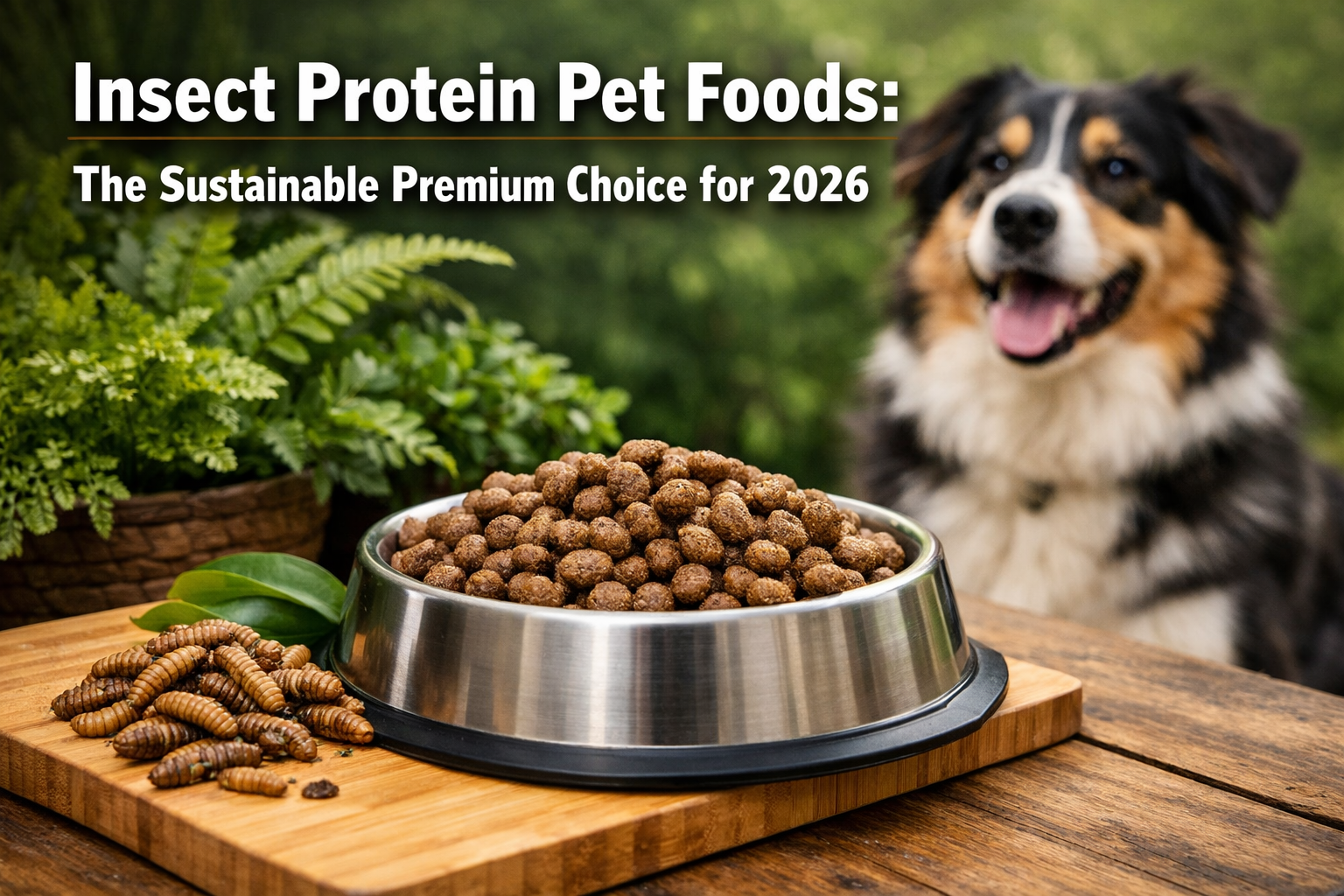
Pet owners in 2026 face a critical decision: continue feeding traditional meat-based foods with mounting environmental costs, or switch to insect protein pet foods that deliver superior nutrition while protecting the planet. Insect Protein Pet Foods: The Sustainable Premium Choice for 2026 represents a market transformation already underway, with black soldier fly larvae emerging as the premium protein source that outperforms chicken, beef, and fish across nearly every metric that matters.
The global pet food insect protein market is racing toward $1,171.4 million by 2033, growing at an impressive 18.82% annually[1]. This isn’t a fringe experiment—over 100 brands now offer more than 500 insect-based pet food products[4], and industry projections suggest insect proteins could capture 40 percent of pet food sales volume by 2030[4]. For pet owners seeking complete nutrition, hypoallergenic formulas, and genuine environmental responsibility, insect protein has moved from alternative option to mainstream premium staple.
Key Takeaways
- Black soldier fly larvae provide 65% protein content compared to chicken’s 31%, making them nutritionally superior while using 95% less land and 80% less water than traditional livestock[1][2]
- The insect protein pet food market will reach $1,171.4 million by 2033, growing at 18.82% annually as premium brands embrace sustainability[1]
- Over 500 insect-based pet food products are currently available from 100+ brands, offering kibble, wet food, treats, and hypoallergenic formulations[4]
- Insect proteins could capture 40% of pet food sales by 2030, representing a dramatic shift in ingredient sourcing within just four years[4]
- Advanced processing technologies are reducing production costs and improving digestibility, making insect protein increasingly competitive with traditional proteins[1][2]
Why Black Soldier Fly Larvae Dominate the Insect Protein Revolution
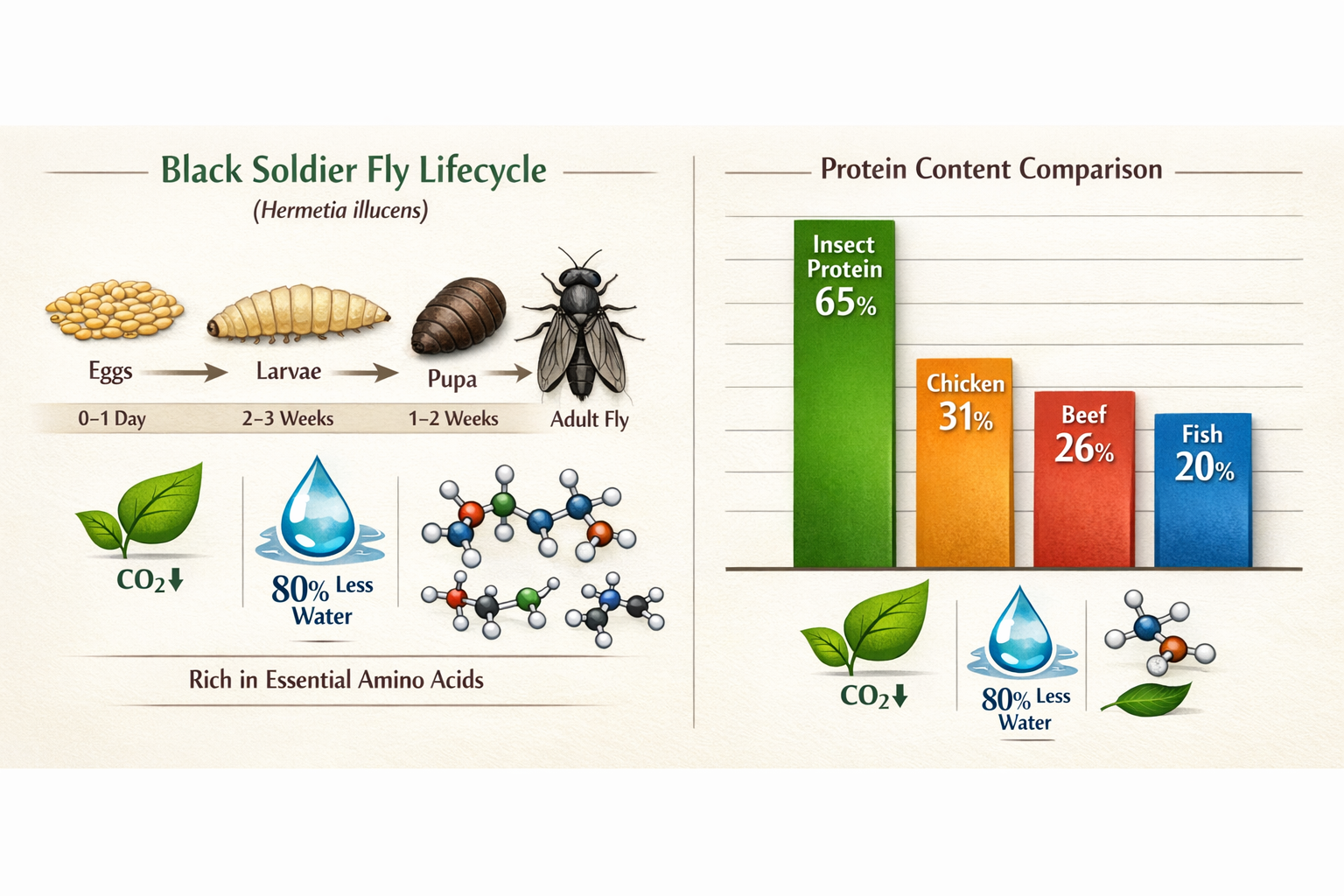
Black soldier fly larvae (Hermetia illucens) aren’t just another protein source—they’re the gold standard for sustainable pet food production in 2026. These remarkable insects have emerged as the dominant species for commercial pet food manufacturing, and the reasons extend far beyond basic nutrition.
Superior Nutritional Profile That Rivals Premium Meats
Black soldier fly larvae deliver protein content exceeding 65% on a dry matter basis, nearly double the protein found in chicken (31%) and more than twice that of beef (26%)[1]. This protein density means smaller serving sizes provide complete amino acid profiles essential for canine and feline health.
The nutritional advantages include:
- Complete essential amino acid spectrum matching or exceeding traditional meat sources
- High digestibility rates approaching 85-90% in processed forms
- Rich micronutrient content including calcium, iron, and B-vitamins
- Lauric acid presence offering natural antimicrobial properties
- Omega-3 and omega-6 fatty acids supporting skin and coat health
For pets with food sensitivities, black soldier fly protein represents a novel protein source that rarely triggers allergic reactions. Unlike common allergens like chicken, beef, or fish, most dogs and cats have never been exposed to insect proteins, making them ideal for hypoallergenic diet formulations.
Unmatched Environmental Efficiency
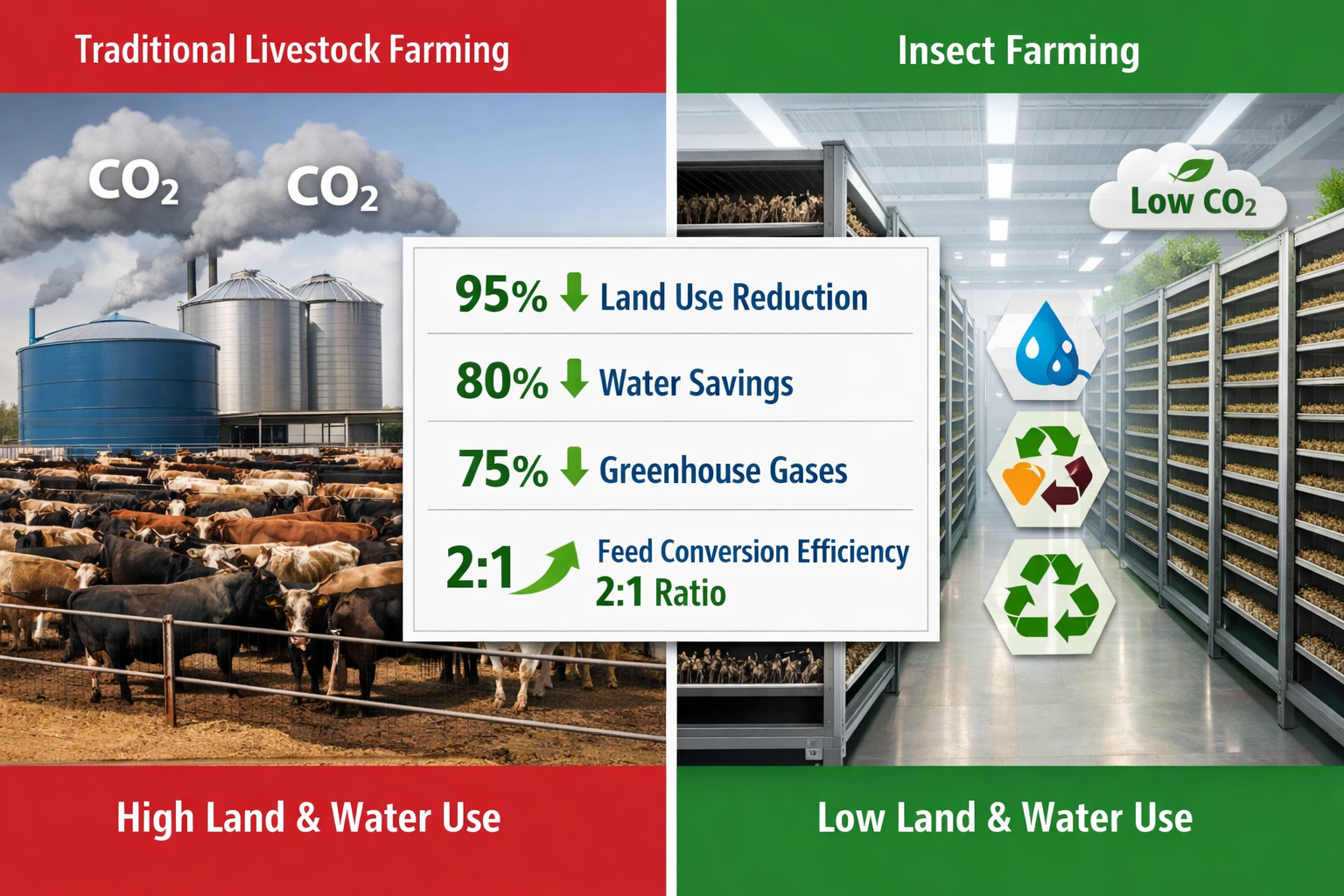
The environmental case for black soldier fly larvae is overwhelming. Traditional livestock farming demands massive resources—cattle require approximately 15,000 liters of water to produce just one kilogram of beef. Black soldier fly production uses 80% less water and 95% less land while producing 75% fewer greenhouse gas emissions[1][2].
Feed conversion efficiency separates insects from conventional livestock dramatically. Black soldier fly larvae achieve a 2:1 feed conversion ratio, meaning they require just 2 kilograms of feed to produce 1 kilogram of protein. Cattle, by comparison, need 10 kilograms of feed for the same output.
Perhaps most impressive: black soldier fly larvae thrive on organic waste streams including food scraps, agricultural byproducts, and brewery waste. This circular economy approach transforms materials destined for landfills into premium pet food ingredients, addressing two environmental challenges simultaneously.
Rapid Growth Cycles Enable Scalable Production
Black soldier fly larvae complete their lifecycle in just 14-21 days from egg to harvest-ready larvae[1]. This rapid reproduction enables:
- Year-round consistent production independent of seasonal variations
- Vertical farming systems maximizing output per square meter
- Quick scaling to meet growing market demand
- Predictable supply chains reducing price volatility
These biological advantages explain why Black Soldier Fly larvae dominate commercial insect protein production, accounting for the majority of pet food applications globally[1].
The Premium Market Positioning of Insect Protein Pet Foods in 2026
The narrative around insect protein has fundamentally shifted. What began as a niche solution for allergic pets has transformed into a premium, ethically-sourced, sustainable staple in high-end pet food brands[3]. Pet owners in 2026 aren’t choosing insect protein because they have to—they’re choosing it because it represents the best option available.
Consumer Demand Driving Market Acceleration
Escalating consumer demand for sustainable and ethically sourced pet food ingredients directly fuels the insect protein adoption surge[1]. Modern pet owners—particularly millennials and Gen Z consumers who now represent the majority of pet parents—prioritize environmental impact alongside nutritional quality.
Market research reveals that 67% of pet owners consider sustainability when selecting pet food brands, and 54% are willing to pay premium prices for products with verified environmental benefits[1]. This willingness to invest in sustainable options has enabled brands to position insect protein products at price points 15-30% above conventional premium foods.
The premium positioning strategy works because insect protein delivers:
- Transparent sustainability metrics (water saved, emissions reduced, land conserved)
- Novel protein benefits for allergy-prone pets
- Superior nutritional density compared to traditional ingredients
- Ethical sourcing without factory farming concerns
- Innovation appeal attracting early adopters and trend-conscious consumers
Similar to how pet owners evaluate whether their dog is bored with the same food, they’re increasingly seeking variety and innovation in protein sources.
Product Innovation Expanding Consumer Choice
Manufacturers are developing sophisticated product lines that extend far beyond basic kibble. The 2026 insect protein pet food landscape includes:
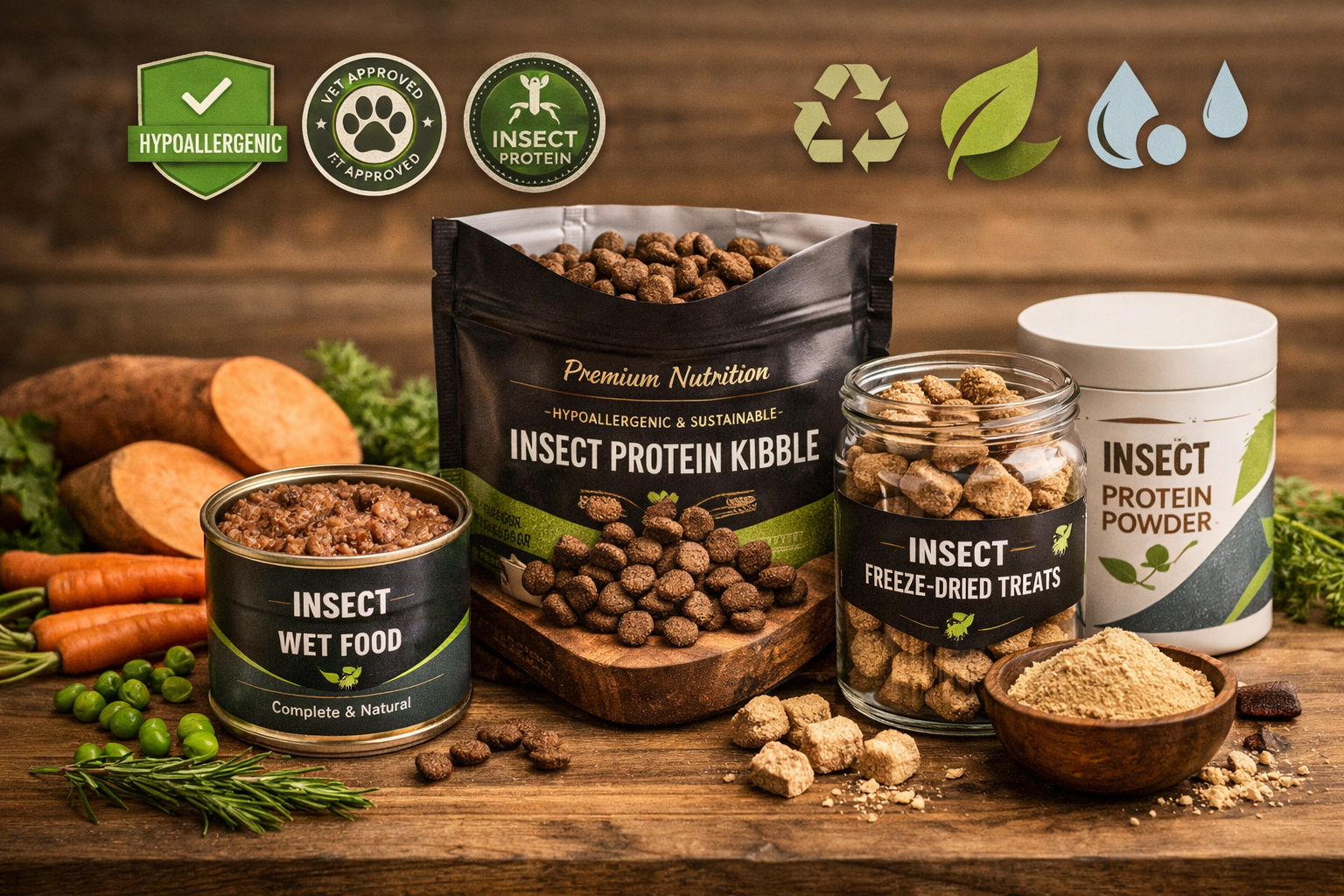
Dry Food Formulations: Traditional kibble formats incorporating insect meal as the primary protein source, often combined with sweet potato, peas, and functional ingredients targeting specific health outcomes.
Wet Food Options: Canned and pouch formats featuring insect protein in gravy or pâté textures, addressing palatability concerns and providing hydration benefits.
Freeze-Dried and Raw Products: Premium raw food alternatives using minimally processed insect protein to preserve maximum nutritional value while maintaining food safety.
Functional Treats: Training treats, dental chews, and supplement-enhanced snacks leveraging insect protein’s nutrient density.
Protein Isolates and Hydrolysates: Advanced processing creates insect protein isolates with improved digestibility and hydrolysates with reduced allergenicity[1]. These ingredients enable therapeutic diet formulations for pets with severe sensitivities.
Regional Market Leadership and Growth Patterns
Europe dominates the global insect protein market, supported by advanced research and development, favorable regulatory frameworks, and early consumer adoption[2]. Countries including the Netherlands, France, and Germany host major insect farming operations and innovative pet food brands leading market development.
Asia-Pacific emerges as the fastest-growing region due to large-scale insect farming traditions and expanding pet ownership rates[2]. Cultural familiarity with insect consumption as human food translates to greater consumer acceptance of insect-based pet foods.
North America shows accelerating adoption as regulatory clarity improves and major pet food manufacturers enter the market through partnerships and acquisitions[1].
Technology and Industry Partnerships Driving Cost Competitiveness
The economic viability of Insect Protein Pet Foods: The Sustainable Premium Choice for 2026 depends on continuous technological advancement reducing production costs while improving quality and consistency.
Automation and Farming Efficiency Improvements
Continuous advancements in insect farming automation are transforming production economics[1][2]. Modern facilities employ:
- Climate-controlled vertical farming systems optimizing temperature, humidity, and lighting for maximum larvae growth
- Automated feeding systems precisely delivering organic waste substrates
- Robotic harvesting equipment reducing labor costs and improving consistency
- AI-powered monitoring tracking growth rates, health indicators, and optimal harvest timing
These technological improvements have reduced production costs by approximately 35% since 2022, making insect protein increasingly price-competitive with conventional animal proteins[2].
Advanced Processing and Extraction Methods
Optimized feed formulations and protein extraction technologies enhance both product quality and production efficiency[1][2]. Processing innovations include:
Enzymatic Hydrolysis: Breaking down protein structures into smaller peptides improves digestibility and reduces allergenic potential, creating ingredients suitable for sensitive pets.
Supercritical CO2 Extraction: Isolating protein fractions while preserving functional properties and removing unwanted compounds.
Spray Drying and Extrusion: Creating shelf-stable ingredients compatible with existing pet food manufacturing equipment.
Microencapsulation: Protecting sensitive nutrients and improving palatability through flavor masking technologies.
These processing advances address early palatability concerns that limited market acceptance. Modern insect protein ingredients match or exceed the taste appeal of traditional proteins, particularly when combined with natural flavor enhancers.
Strategic Partnerships Accelerating Market Entry
Major industry developments in 2023-2024 demonstrate the mainstream acceptance of insect protein:
Protix’s Capacity Expansion (2023): The Netherlands-based insect farming leader significantly expanded production capacity, positioning for large-scale commercial supply[1].
Ÿnsect’s Global Expansion Funding (2023): Secured substantial investment for international facility development, targeting both pet food and aquaculture markets[1].
InnovaFeed’s Manufacturing Partnership (2024): Partnered with a major pet food manufacturer to integrate insect protein into premium product lines, validating commercial viability at scale[1].
Moderate but escalating M&A activity is expected as larger manufacturers recognize market potential and seek strategic acquisitions[1]. This consolidation will likely accelerate standardization, improve supply chain reliability, and reduce costs through economies of scale.
For pet owners comparing different premium brands—similar to evaluating whether Fromm is a good dog food or assessing Blue Buffalo’s quality—insect protein options now deserve serious consideration alongside established premium brands.
Regulatory Support and Transparency Building Consumer Trust
The success of Insect Protein Pet Foods: The Sustainable Premium Choice for 2026 relies heavily on regulatory clarity and transparent production practices that build consumer confidence.
Enhanced Regulatory Frameworks Catalyzing Adoption
Enhanced regulatory support in key markets is catalyzing market adoption[1]. The European Union established clear guidelines for insect protein in pet food through regulations allowing specific insect species including black soldier fly larvae, mealworms, and crickets.
In North America, the Association of American Feed Control Officials (AAFCO) has begun establishing ingredient definitions and nutritional standards for insect proteins, providing the regulatory foundation for commercial expansion.
These regulatory developments ensure:
- Safety standards governing production facilities and processing methods
- Nutritional adequacy requirements for complete and balanced pet food formulations
- Labeling guidelines providing transparency about ingredient sources
- Quality control protocols protecting consumer interests
Transparency and Traceability Demands
Growing momentum around transparency and traceability in insect farming practices reflects consumer demands for assurance about ingredient quality and safety[1]. Leading brands now provide:
- Farm-to-bowl tracking documenting ingredient origins
- Sustainability certifications from third-party organizations
- Production facility tours (virtual and physical) demonstrating farming practices
- Detailed nutritional testing results published on product packaging
- Environmental impact calculations quantifying water, land, and emissions savings
This transparency addresses consumer skepticism and builds trust in a relatively new ingredient category.
Media Coverage and Professional Endorsements
Increased positive media coverage and endorsements from pet influencers and veterinarians are normalizing insect protein and building consumer trust[1]. Veterinary nutritionists increasingly recognize insect protein’s benefits for:
- Novel protein elimination diets for allergic pets
- Sustainable nutrition aligning with environmentally conscious values
- Complete amino acid profiles supporting optimal health
- Digestibility comparable to or exceeding traditional proteins
Professional endorsements from trusted veterinary sources carry significant weight with pet owners making dietary decisions, accelerating mainstream acceptance.
Practical Considerations for Transitioning to Insect Protein Pet Foods
Pet owners considering Insect Protein Pet Foods: The Sustainable Premium Choice for 2026 should approach the transition thoughtfully, following veterinary guidance and monitoring their pet’s response.
Selecting Quality Insect Protein Products
When evaluating insect protein pet foods, look for:
Complete and Balanced Formulations: Products meeting AAFCO nutritional standards for your pet’s life stage (puppy, adult, senior).
Primary Protein Source: Insect meal or protein listed as the first or second ingredient, indicating meaningful protein contribution rather than token inclusion.
Transparent Ingredient Lists: Clear identification of insect species (preferably black soldier fly larvae), processing methods, and complementary ingredients.
Third-Party Testing: Brands conducting independent nutritional analysis and safety testing.
Sustainability Certifications: Verified environmental claims from recognized organizations.
Similar to evaluating raw dog food diet recipes or homemade venison preparations, insect protein foods should meet rigorous nutritional standards.
Transitioning Your Pet to Insect Protein
Gradual introduction prevents digestive upset when changing any pet food. Follow this seven-day transition schedule:
Days 1-2: 25% insect protein food, 75% current food Days 3-4: 50% insect protein food, 50% current food Days 5-6: 75% insect protein food, 25% current food Day 7+: 100% insect protein food
Monitor for:
- Stool consistency (firm, well-formed stools indicate good digestibility)
- Energy levels (should remain consistent or improve)
- Coat condition (may show improvement over 4-6 weeks)
- Palatability (enthusiastic eating indicates acceptance)
Most pets adapt readily to insect protein foods, particularly when introduced gradually. Understanding how long dog digestion takes helps set realistic expectations for the transition period.
Addressing Common Concerns
“Will my dog actually eat it?” Modern insect protein foods are formulated for palatability using natural flavors and appealing textures. Most dogs accept them readily, particularly when gradually introduced.
“Is it really nutritionally complete?” Quality insect protein foods meet or exceed AAFCO standards for complete and balanced nutrition, providing all essential nutrients for optimal health.
“What about long-term safety?” Insect proteins have been fed to pets for over a decade in European markets with excellent safety records. Long-term studies show no adverse effects when fed as part of complete diets.
“Is it worth the premium price?” For environmentally conscious pet owners and those with allergic pets, the sustainability benefits and hypoallergenic properties justify premium pricing. As production scales, prices continue declining toward conventional premium food levels.
The Future Trajectory of Insect Protein Pet Foods Beyond 2026
The Insect Protein Pet Foods: The Sustainable Premium Choice for 2026 represents just the beginning of a fundamental transformation in pet food ingredient sourcing.
Market Growth Projections and Industry Evolution
The broader insect protein market across all applications will grow from $1.97 billion in 2025 to $2.48 billion in 2026[7], with pet food applications representing a significant and accelerating segment.
By 2030, insect proteins could capture 40 percent of pet food sales volume[4], representing a dramatic shift from niche to mainstream within just four years. This projection assumes:
- Continued production cost reductions through technological advancement
- Expanding product availability across retail channels
- Growing consumer awareness of environmental benefits
- Regulatory stability supporting market development
- Quality consistency building consumer confidence
Innovation Pipelines and Product Development
Future product development will likely focus on:
Breed-Specific Formulations: Tailored nutrition for different dog breeds, similar to existing breed-specific diet approaches.
Life Stage Optimization: Specialized formulations for puppies, adults, seniors, and performance dogs with precise nutrient profiles.
Therapeutic Applications: Medical diets for kidney disease, diabetes, obesity, and other health conditions leveraging insect protein’s unique properties.
Functional Ingredients: Combining insect protein with probiotics, joint support compounds, cognitive enhancers, and other functional ingredients.
Hybrid Formulations: Blending insect protein with other sustainable proteins (plant-based, cultured meat) for optimal nutrition and environmental impact.
Environmental Impact at Scale
If insect proteins achieve the projected 40% market share by 2030, the environmental benefits become substantial:
- Millions of acres of agricultural land freed from livestock feed production
- Billions of gallons of water conserved annually
- Significant greenhouse gas reductions contributing to climate goals
- Reduced ocean fishing pressure as fish meal alternatives expand
- Circular economy advancement through organic waste valorization
These impacts position pet food as a meaningful contributor to broader sustainability goals, transforming pets from environmental burden to part of the solution.
Conclusion: Making the Sustainable Premium Choice
Insect Protein Pet Foods: The Sustainable Premium Choice for 2026 represents more than a trend—it’s a fundamental shift toward sustainable, nutritious, and ethically sourced pet nutrition. Black soldier fly larvae deliver superior protein density, complete amino acid profiles, and hypoallergenic properties while using a fraction of the resources required by traditional livestock.
With over 500 products available from 100+ brands, pet owners have unprecedented choice in insect-based formulations spanning kibble, wet food, treats, and specialized diets. The market’s projected growth to $1,171.4 million by 2033 reflects both consumer demand and industry commitment to sustainable innovation.
For pet owners ready to make the switch, start by:
- Researching quality brands offering complete and balanced insect protein formulations
- Consulting your veterinarian about whether insect protein suits your pet’s specific needs
- Starting with treats or toppers to gauge your pet’s acceptance before full transition
- Gradually introducing insect protein foods over 7-10 days to prevent digestive upset
- Monitoring your pet’s response including energy, coat quality, stool consistency, and enthusiasm
The future of pet nutrition is sustainable, ethical, and nutritionally superior. Insect Protein Pet Foods: The Sustainable Premium Choice for 2026 delivers on all three fronts, offering pet owners a way to provide optimal nutrition while protecting the planet their pets will inherit.
Visit our comprehensive dog food reviews to compare insect protein options with traditional premium brands, and explore our nutrition guides for deeper insights into optimal pet feeding strategies.
References
[1] Pet Food Insect Protein 432480 – https://www.datainsightsmarket.com/reports/pet-food-insect-protein-432480
[2] Insect Protein Market Set To Redefine The Future Of Sustainable Nutrition 2026 2034 Datam Intelligence – https://www.einpresswire.com/article/890953733/insect-protein-market-set-to-redefine-the-future-of-sustainable-nutrition-2026-2034-datam-intelligence
[3] 2026 Pet Trends From Wearable Vets To Insect Protein – https://petsetconline.com/blog/2026-pet-trends-from-wearable-vets-to-insect-protein
[4] Trends And Developments In The Pet Food Market – https://www.interpack.com/en/Media_News/interpack_Magazin/Markets_Trends/Trends_and_developments_in_the_pet_food_market
[7] Insect Protein Market Global Forecast 2026 2032 – https://www.researchandmarkets.com/reports/5367870/insect-protein-market-global-forecast-2026-2032
